
A Place to Build
Executive Summary
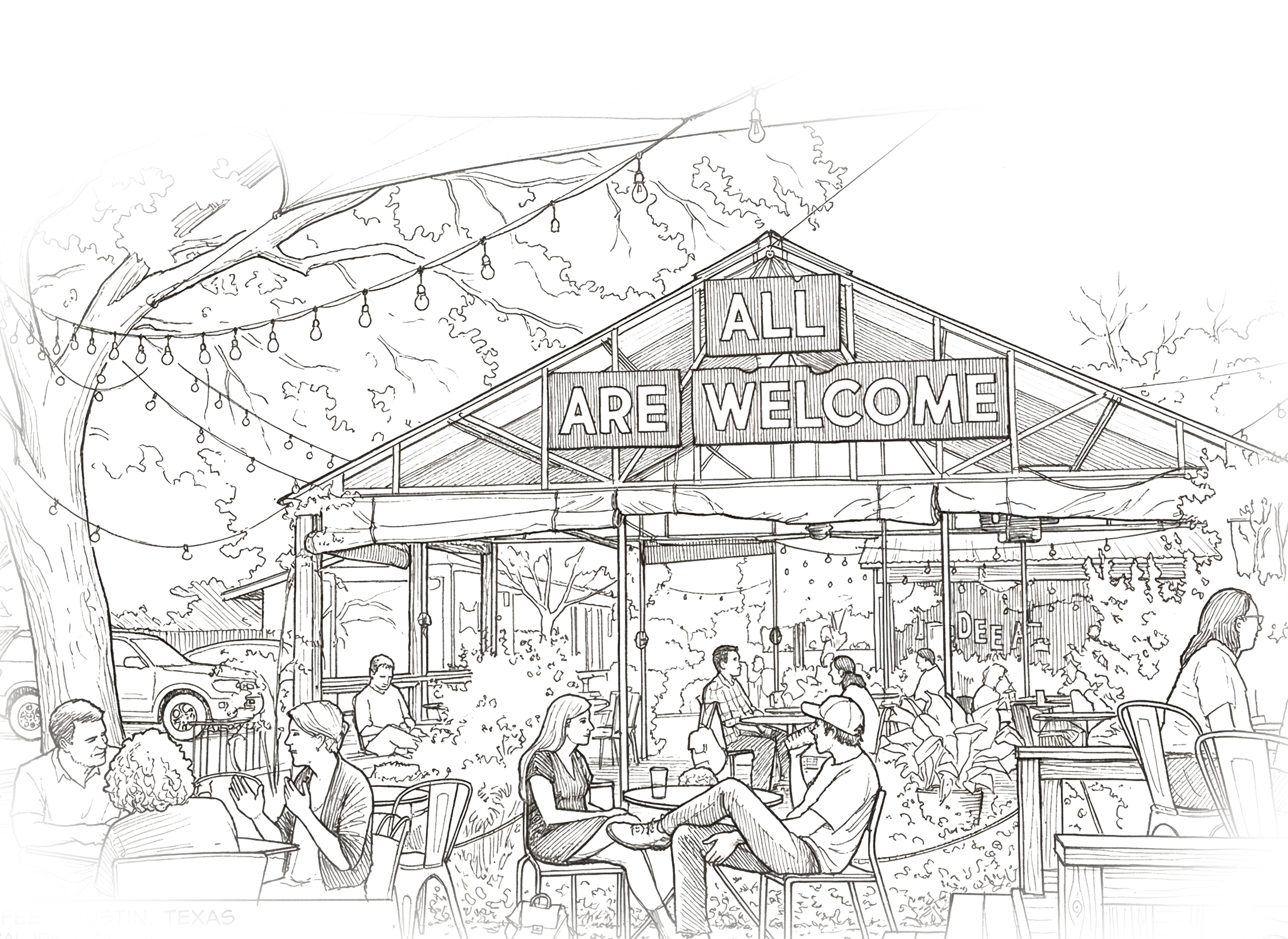
Don't blow it, Austin.
We are on the cusp of becoming a major tech city. Like Los Angeles or Boston. But absent intervention, our current cohort of real estate developers are not likely to help the cause. We need to Build Austin, and stop merely building in Austin.
Real estate development may seem like an orthogonal issue for tech people. If you're already wealthy, you can find a nice estate in Westlake or Tarrytown. This paper is about planning for the on-the-ground entrepreneurial buzz, cultivating the aspiring geniuses who haven't yet made it. Think of it this way: Atherton is great, but it needs San Francisco.
Austin already has some of the leading minds in tech, with more incoming thanks to California's mistakes. That's a great start. The next goal should be to achieve critical mass for aspiring founders in at least one neighborhood. The path to critical mass is through Austin-authentic housing types.
Austin can become a viable alternative to coastal tech hubs for startup founders if we build the civic stack. Four key recommendations:
- Pay attention to founder housing
- Concentrate on 78704, but there are alternatives
- Build Austin, do NOT merely build in Austin
- Make the market to achieve critical mass
We like to think Austin is a leading tech city. But is it really? Could we do better?
Think of founders and funders separately. Austin has lost startup founders or has, at best, stagnated since the end of the Covid era. But the city has gained notable tech wealth.
California has done Austin many great favors, most recently by threatening to tax unrealized capital gains. Tech funders see Austin as a viable alternative to California.
Austin's challenge is with founders. Too many leave. This paper examines why and proposes a solution.
Founder-friendly housing and neighborhoods will be key. Austin's current builders are developing housing that is uninteresting, even repellant to what tech founders most respond to. However, these builders would likely be open to an alternative, successful model if demonstrated.
Section I Pay Attention to Founder Housing
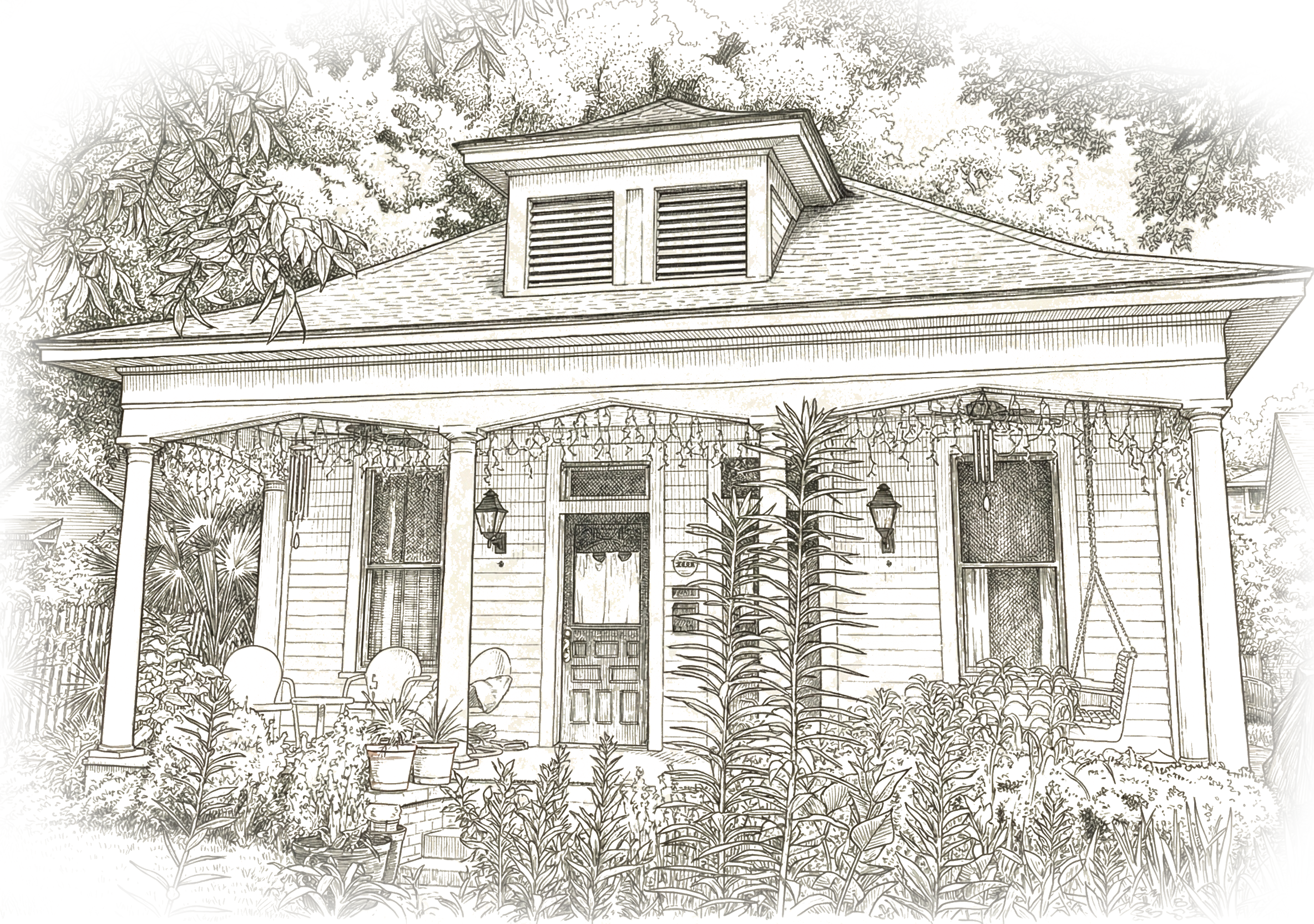
What Makes a Great Tech City?
Every city wants to be the next Silicon Valley and so many have failed. Despite all the convoluted planning and maneuvering, the tech concentration tomorrow will almost certainly be exactly where it is today. Momentum and critical mass are everything. Austin's goal should be to solidify a self-sustaining critical mass.
Below is a chart of common-sense conditions necessary for a viable, critical-mass tech hub. Founder-centric housing remediates several Austin weaknesses in this stack.
| Condition1,2 | Austin Score | Founder Housing Helps? |
|---|---|---|
| Frontier KnowledgeMajor research university and R&D-intensive firms.3 | Strong — UT + big tech firms. Only one major research university, but sufficient. | No |
| Talent LiquidityDeep technical labor pool with easy job switching.4 | Moderate — Can improve pool with entrepreneur retention. But Texas non-compete laws stricter than California. | Yes, for retention |
| Entrepreneurial RecyclingRepeat founders & experienced operators, spin-outs & exits.5 | Moderate — Austin has a base, but attraction & retention will improve this. California issues create tailwind. | Yes, for attraction & retention |
| Risk CapitalConcentrated nearby investors who can lead across stages.6 | Very Strong — Substantial group of the most successful funders call Austin home. | No |
| Dense, Trust-Based NetworksProximity to peers, encouraging info flow and happenstance.7 | Moderate — Austin's friendly culture is perfect, but networks need to be denser via attraction & retention. | Yes, with neighborhood concentration |
| Sense of PlaceA credible identity that attracts and retains outsiders.8 | Moderate — Austin has a meaningful base but housing builds in past ~30 years are typically generic and detract. | Yes, with more authentic Austin housing types |
Has Austin Successfully Created a Self-Sustaining Tech Ecosystem?
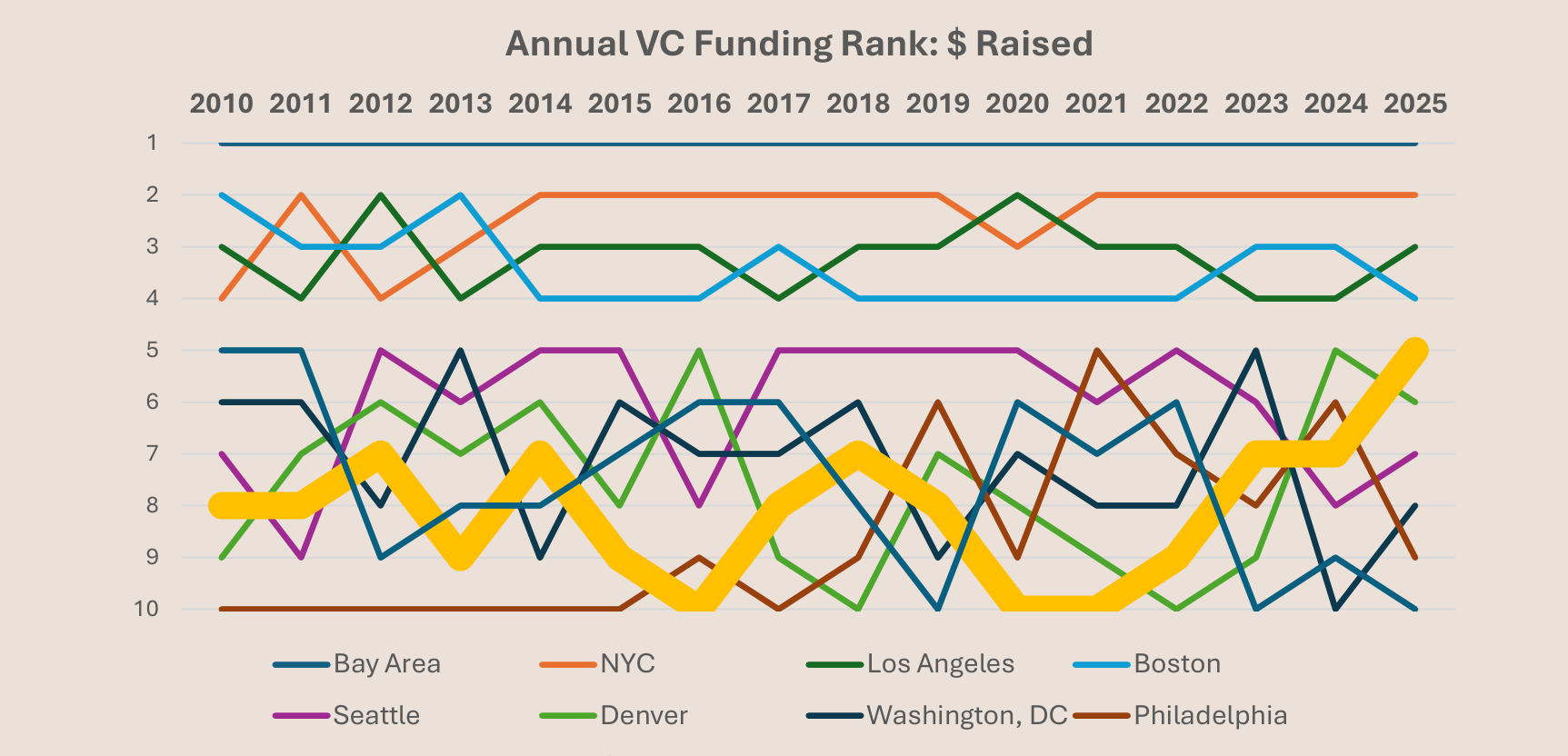
No, and this is a hard pill for city boosters to swallow. During the Covid era, many aspiring tech elites gave Austin a try. But since then, the city has stagnated at best and has probably lost ground.
- 5% YoY decline in startups between 2023 & 2024 (SignalFire)9
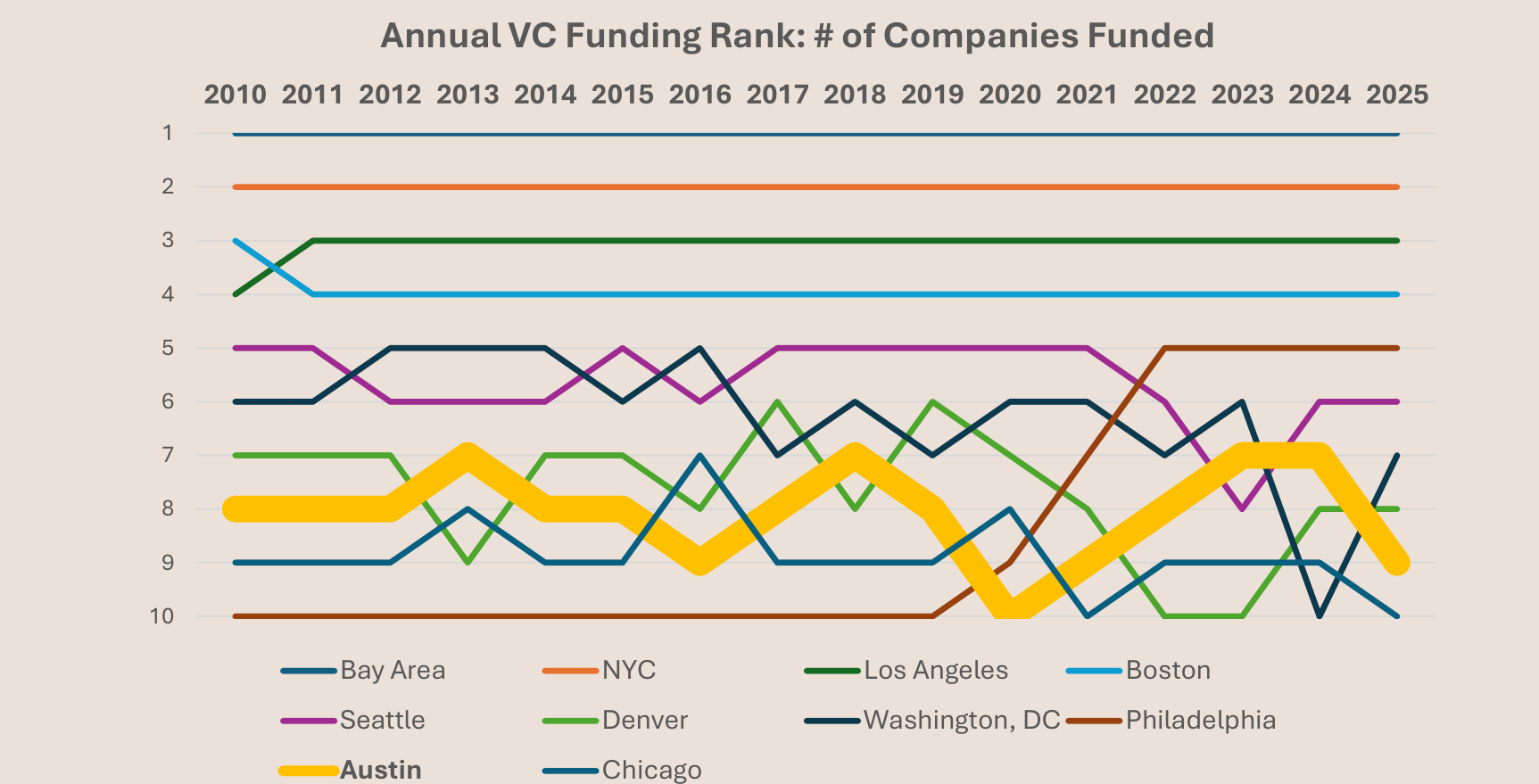
- Ranked 5th for startup funding dollars deployed in 2025, but 9th for companies funded, behind Denver, Philadelphia and Washington, DC (Pitchbook/NVCA)10
- Slammed in the national press for losing aspiring tech founders (WSJ, Business Insider)
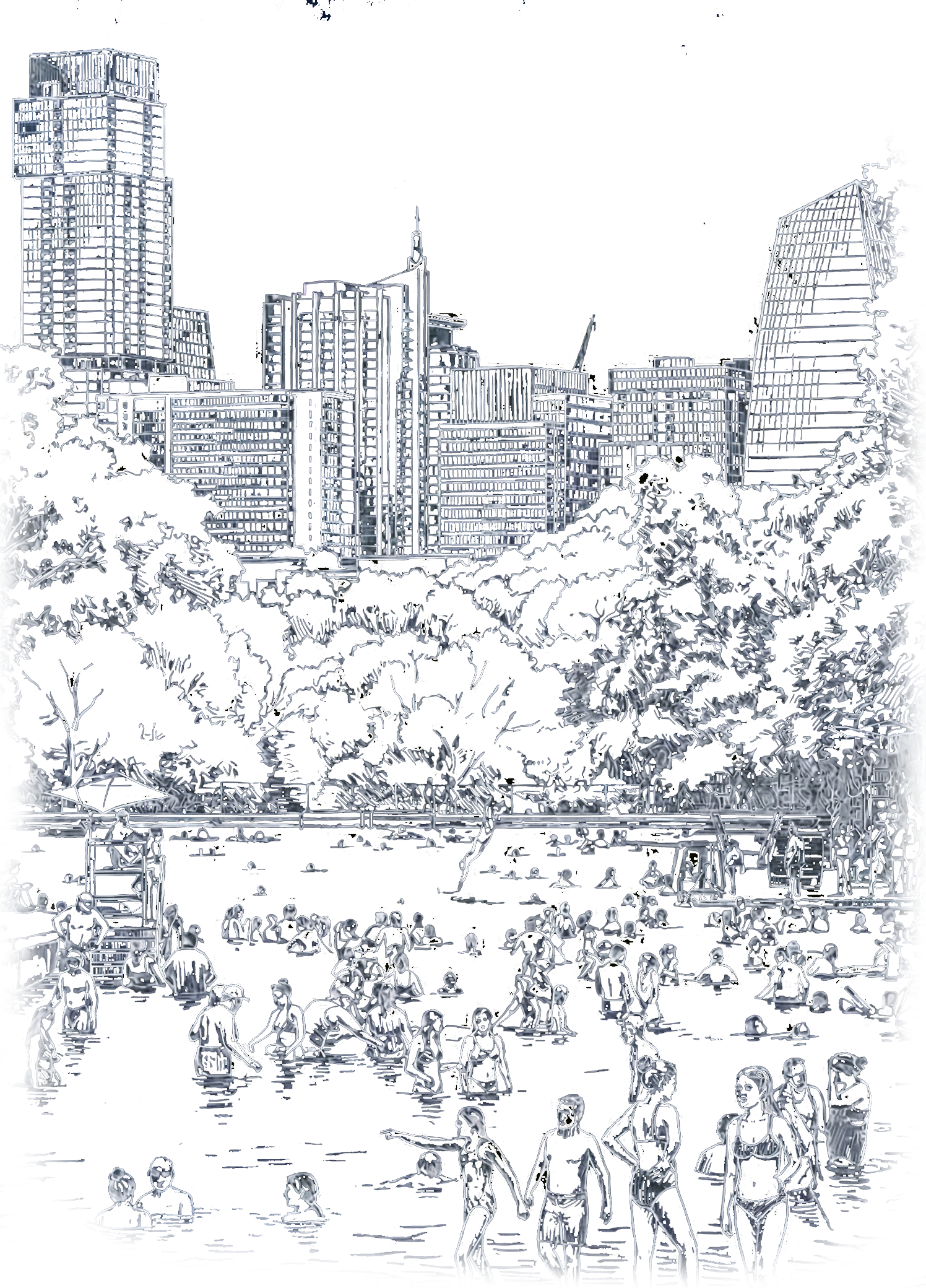
Do aspiring tech founders need anything more than a unit to live in?
Yes, if Austin wants to attract a self-sustaining ecosystem. Both housing type and neighborhood are critically important.
One of Austin's differentiators from coastal tech hubs is the ability to have greater autonomy over personal space. 5-over-1 apartment boxes present no advantage, and several disadvantages relative to coastal cities. (See Appendix A for a detailed demographic and psychographic profile of founders.)
Housing and Neighborhood Characteristics That Matter
Housing must feel authentic and be geographically concentrated in optimal neighborhoods. Appendix A defines the characteristics that drive these requirements. The chart below summarizes the necessary qualities.
| Neighborhood | Building & Unit |
|---|---|
| Geographic Clustering Neighborhood concentration enables serendipitous collisions. |
Aesthetically Literate Design must appeal to sophisticated consumers with significant exposure to historic and classic precedents. |
| Third Spaces Walkable third-space venues (like coffee shops) serve as extensions of the workspace. |
Authentic Austin Any infill development must read as authentically tied to the city, as a localized romantic ideal. Cannot feel like generic production build. |
| Status-Charged Atmosphere Buzzing and creative, include a potential for celebrity presence that appeals to the status-conscious founder. |
Honest Materiality The substance of the architecture (stone, wood, steel) conveys value, not generic luxury finishes. |
| Demographically Balanced The neighborhood must offer a broader, mixed-gender social fabric in the same age band as typical tech founders. |
Blending Work & Leisure Places incorporate semi-public areas that double as productive workspaces. |
| Visually “Imageable” The environment must be picturesque and Instagram-friendly for external validation and high perceived quality of place. |
Heat Responsive Gradual transitions (porches, shade) mitigate Austin heat, preferably with some mosquito mitigation that allow outdoor agency. |
The Competition — Are Austin Neighborhoods Viable Contenders?
Yes, South Congress, Hyde Park, and to some degree East Austin have the potential for a tech founder appeal.
Every one of the extraordinarily successful tech neighborhoods below are architecturally classic Americana, quirky, and characteristic of their city. A few Austin neighborhoods can readily compete in this field.
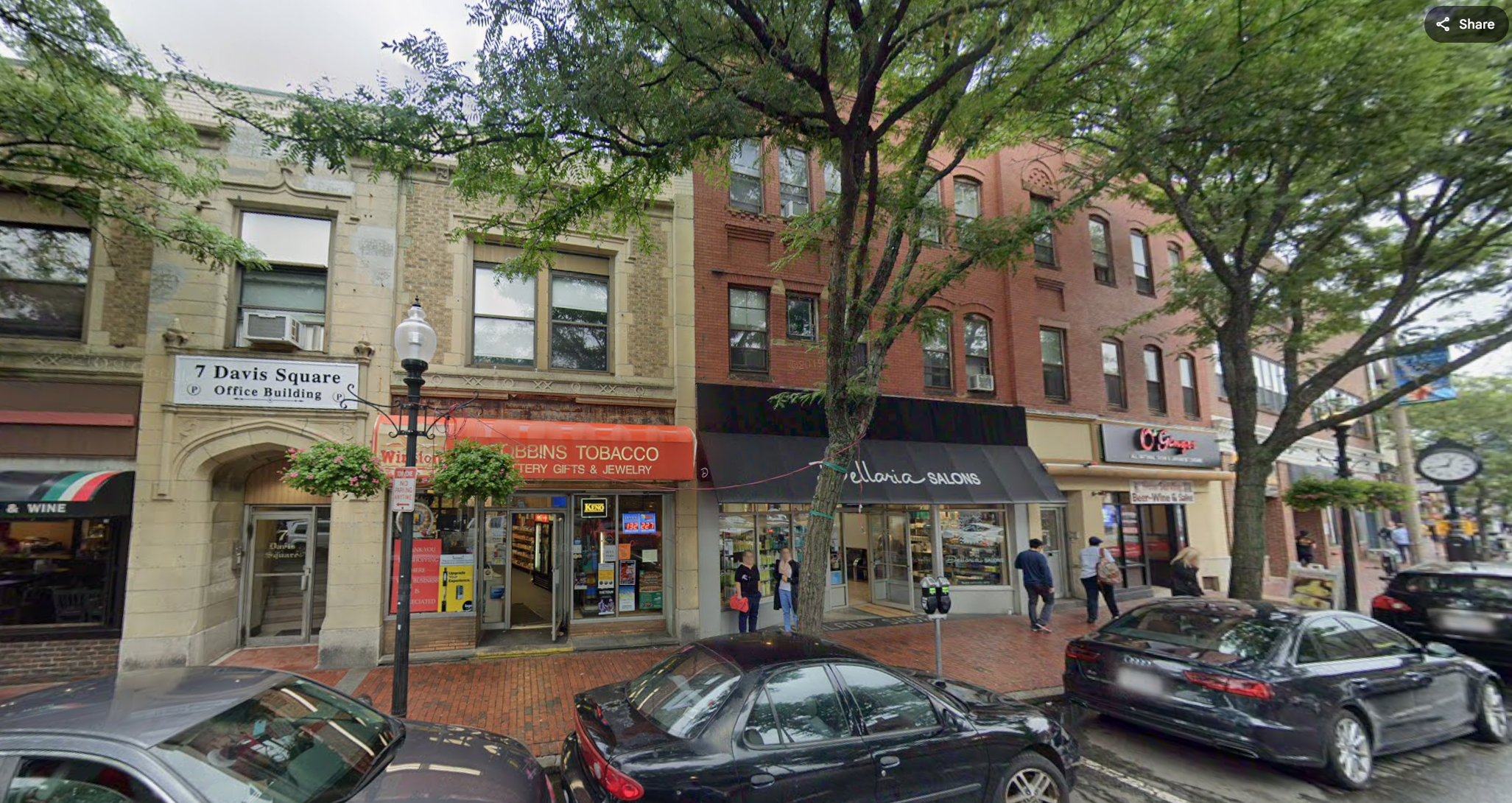
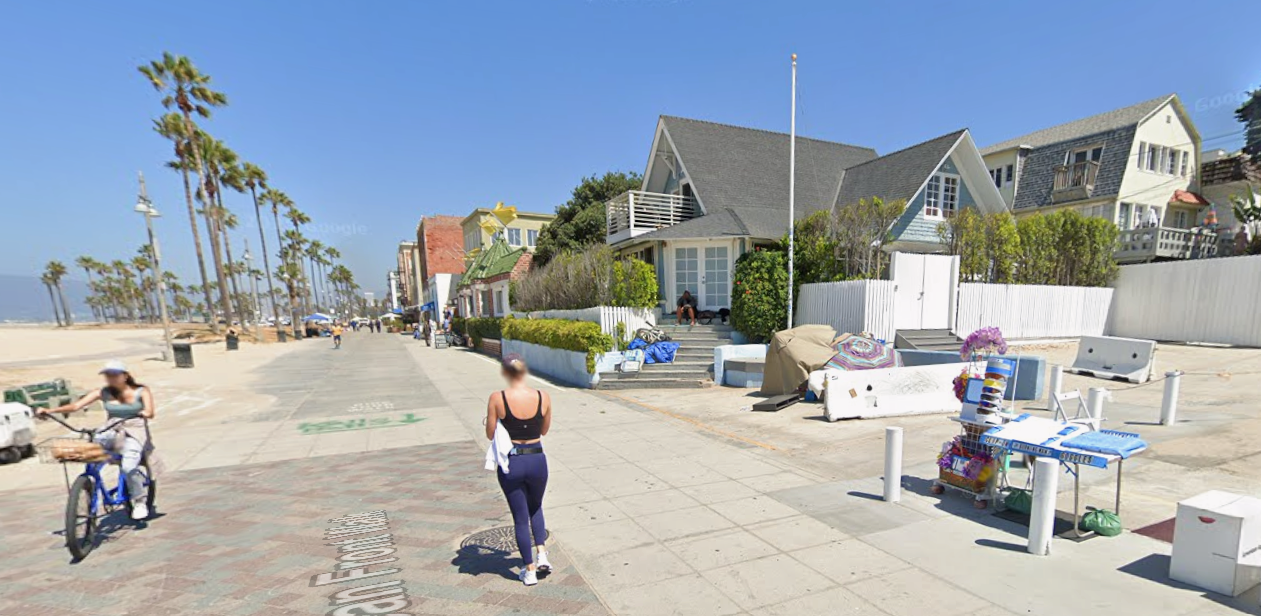
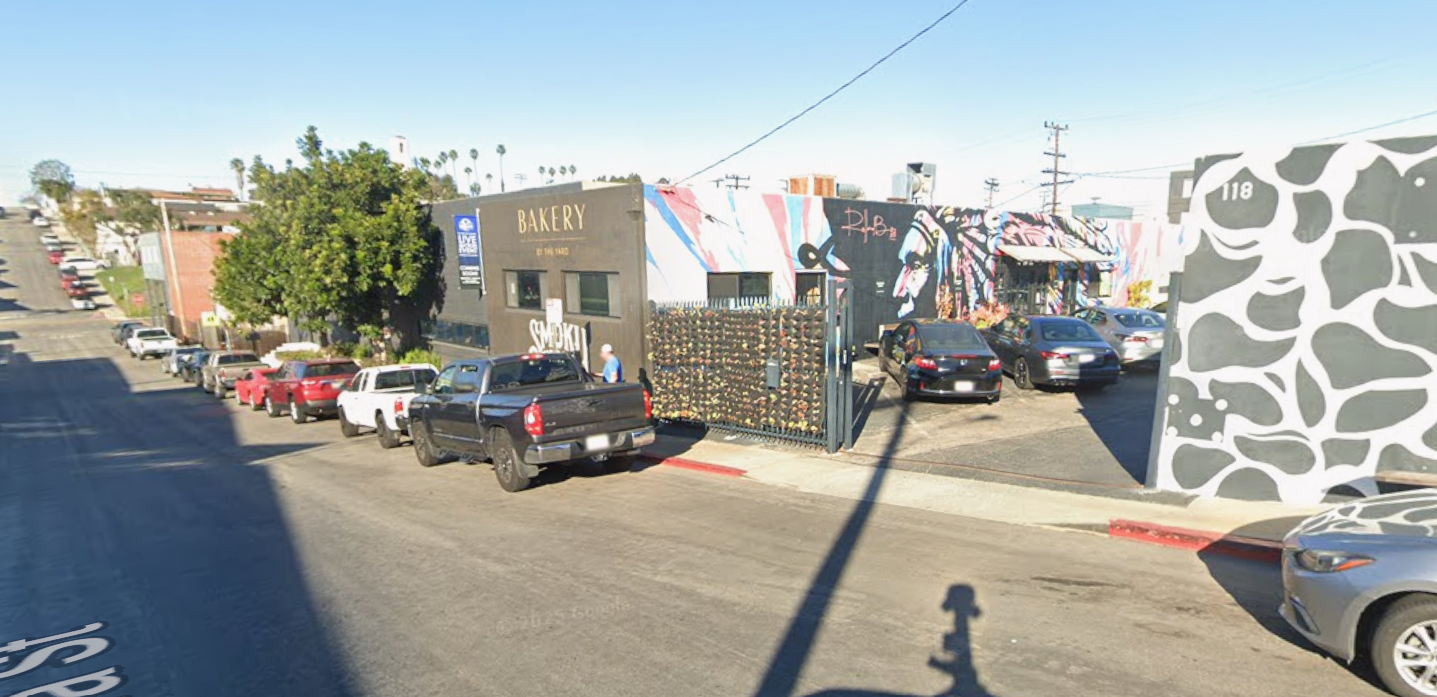
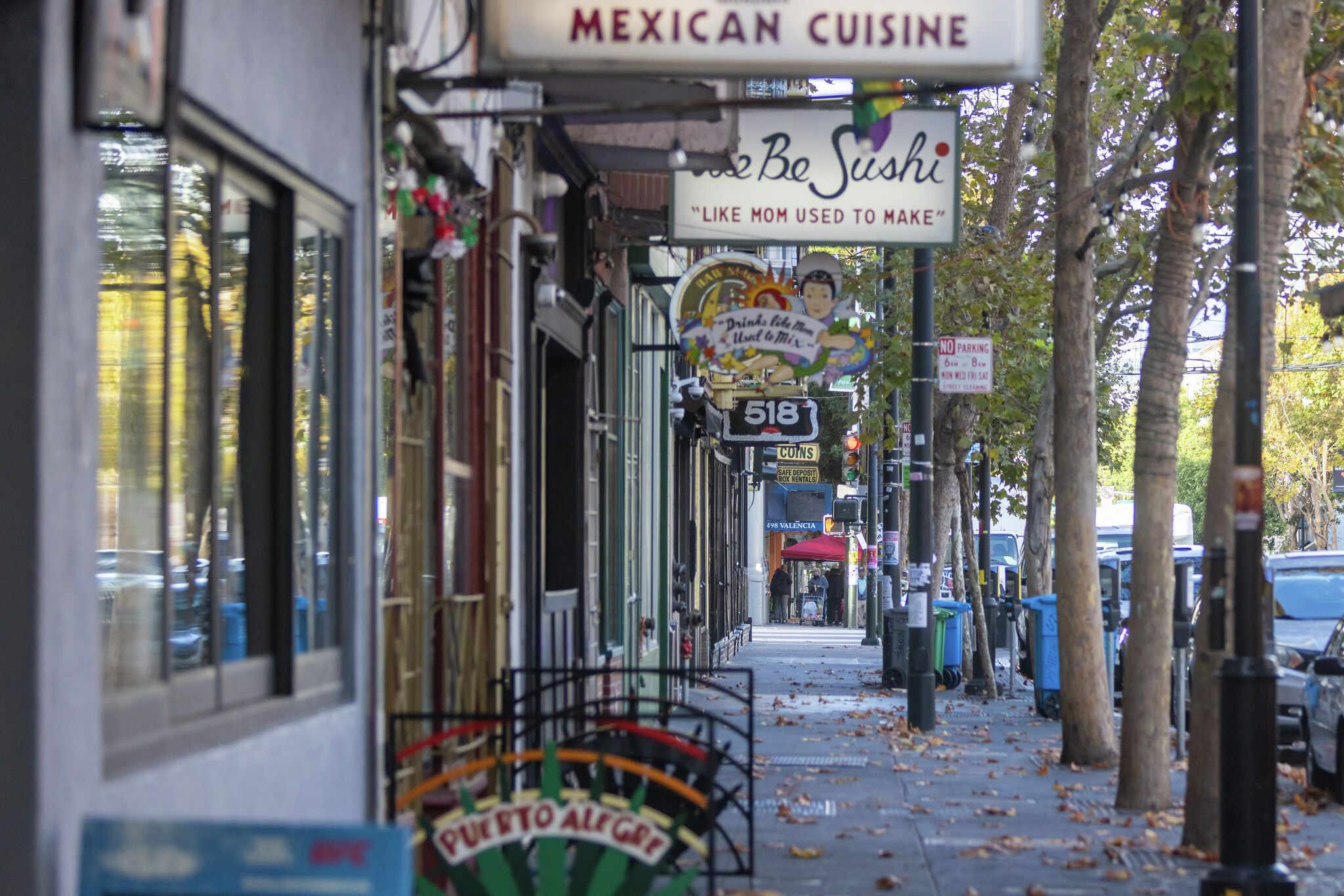
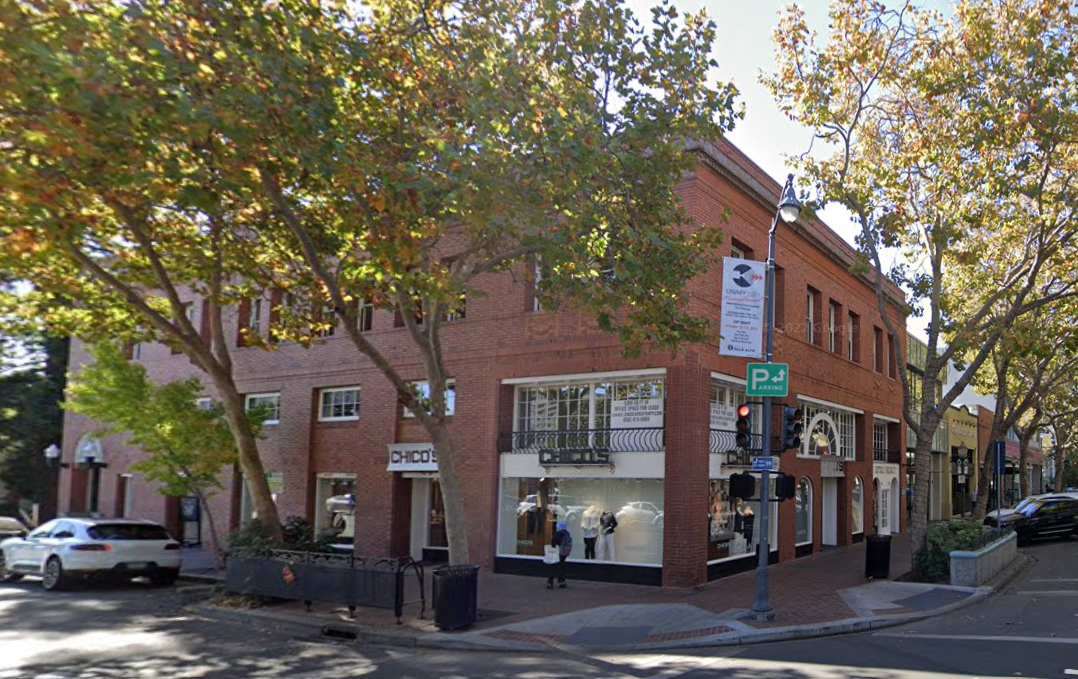
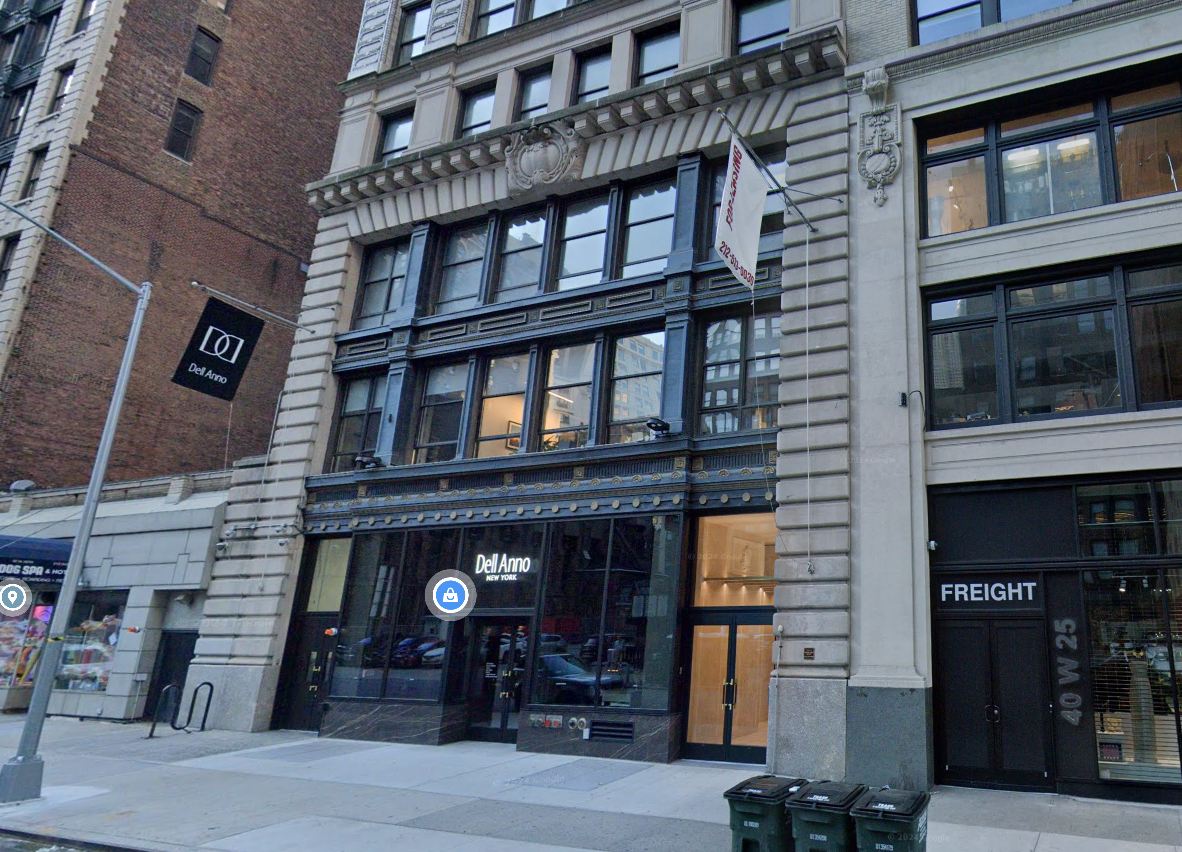
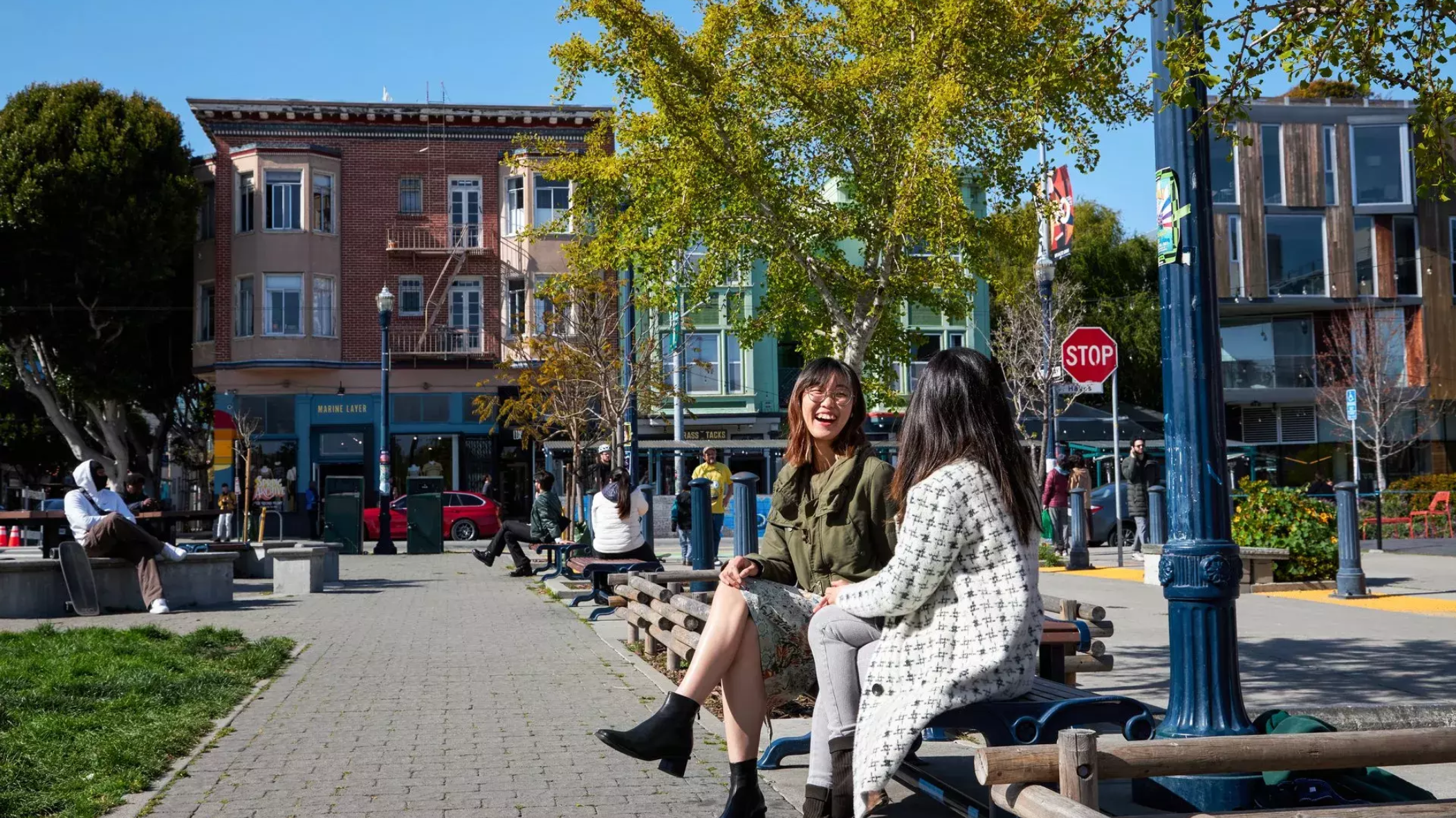
Austin doesn't need any extraordinary development or convoluted master plan to realize a concentrated tech neighborhood. We just need appropriate, tasteful, and Austin-authentic incremental development.
Section II Concentrate on 78704, But There Are Alternatives
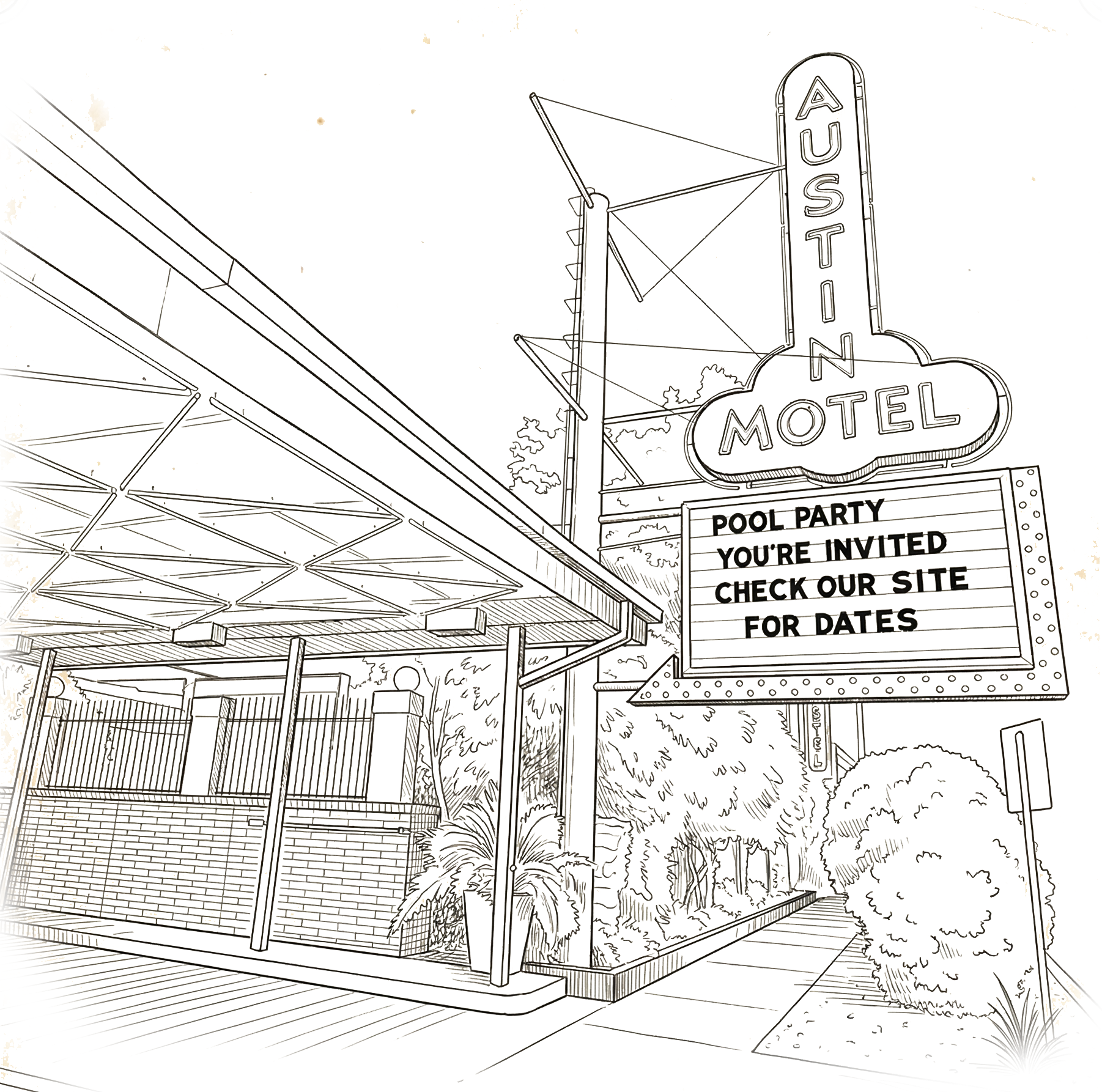
What Are the Best Areas in Austin for Founders?
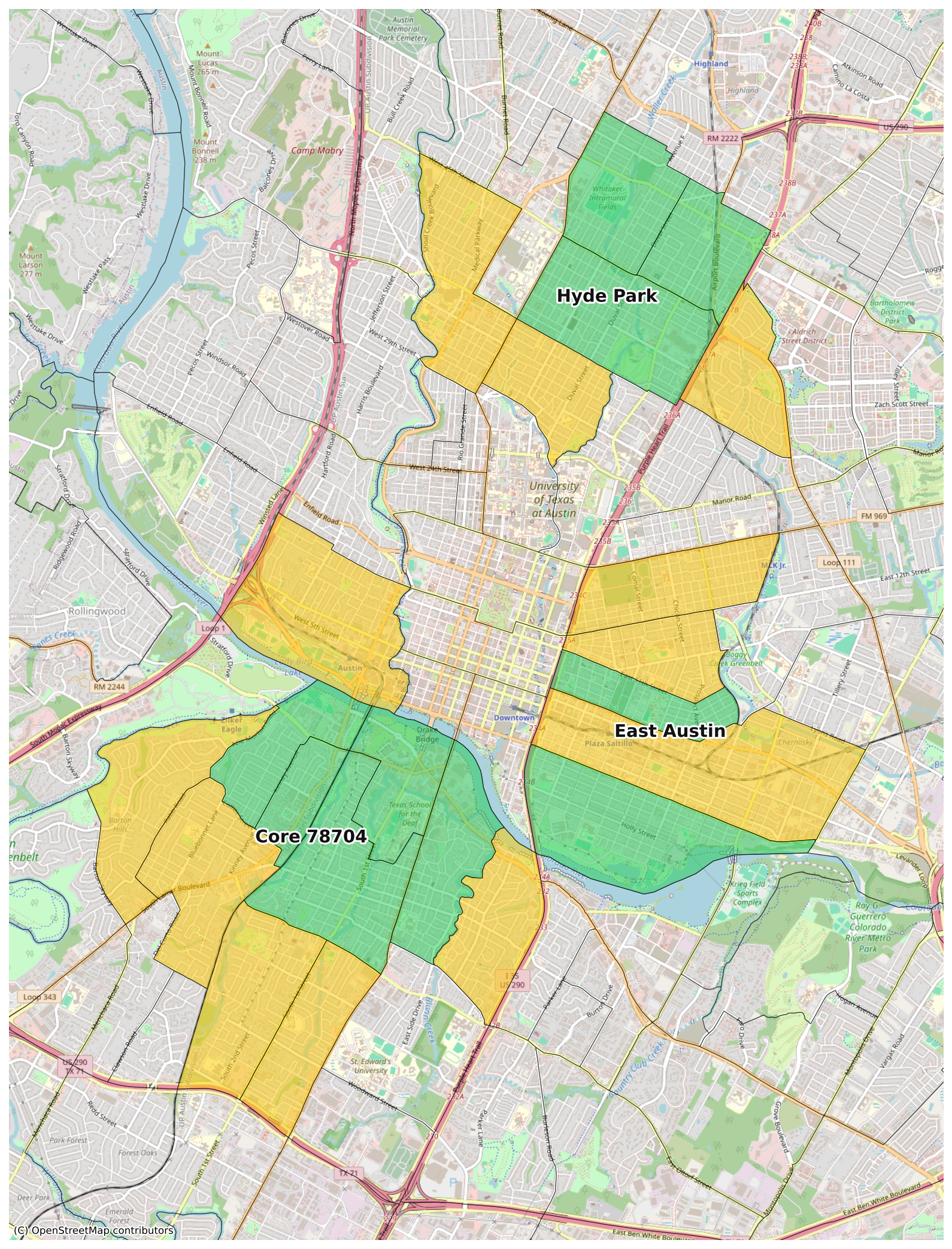
The area around Ladybird Lake (primarily 78704) is the #1 choice, as it’s the largest area of opportunity, and the most culturally important on a national level.
The map below shows Austin census tracts. Green shading shows optimal areas, and yellow is potential spill-over.
The following criteria were used to evaluate these census tracts:
- Relative density of 25–42-year-olds
- Walkable, non-generic retail
- Authentic, historic buildings
- Concentration of professional & graduate degrees
- Favorable micro-climate zones
- Proximity to other viable zones (centrality)
- Potential parcel availability
How Walkable Is This Area?
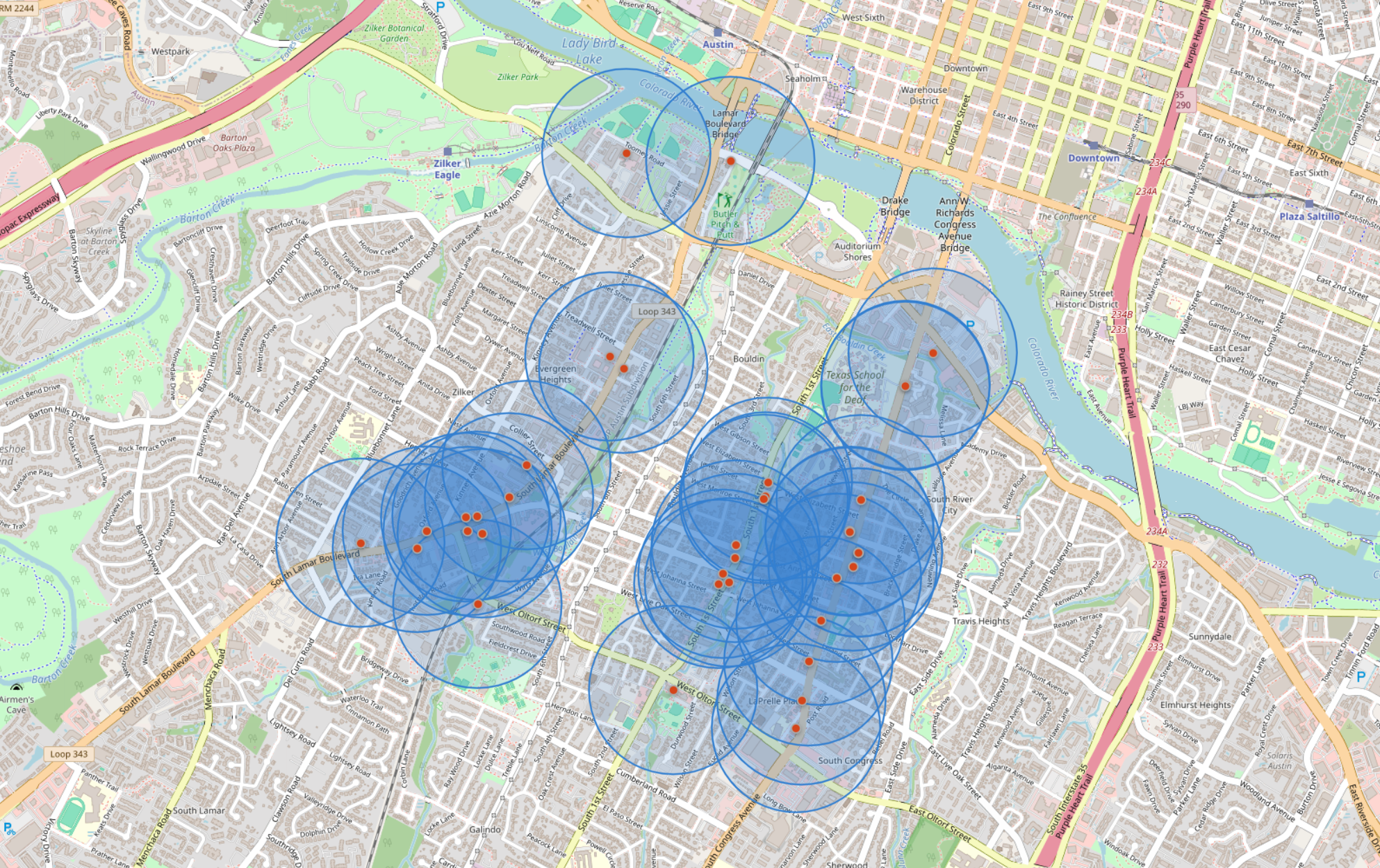
Coffee shops are a classic third-space meeting and workplace for founders. The map shows coffee shops in core 78704 (excluding Starbucks) with a 5-minute walking radius around each.
Are Austin Spec Builders Creating the Right Housing?
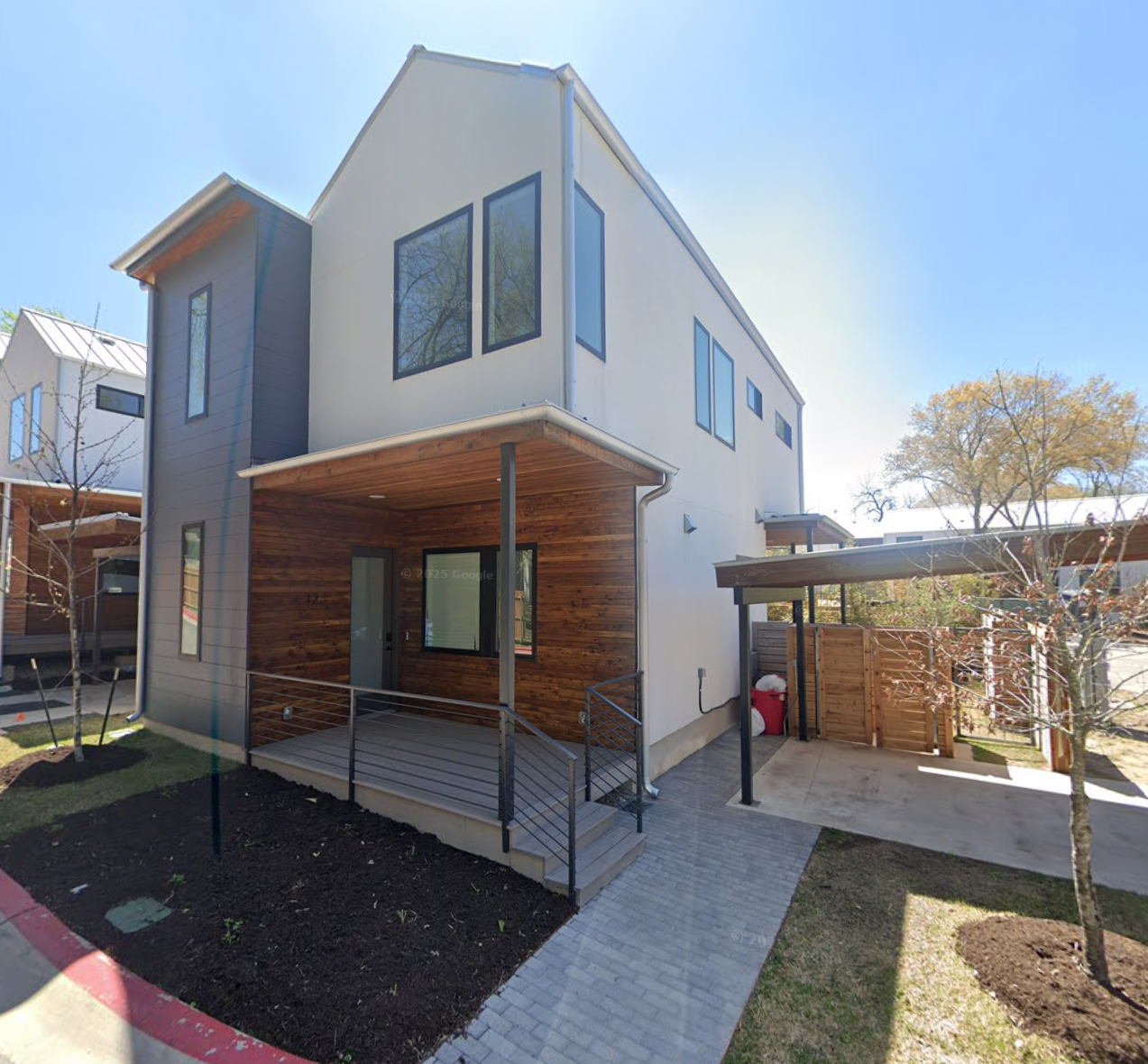
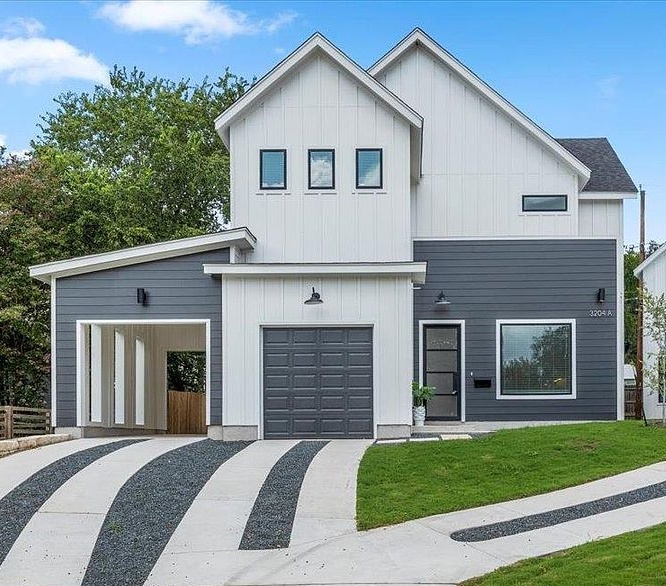
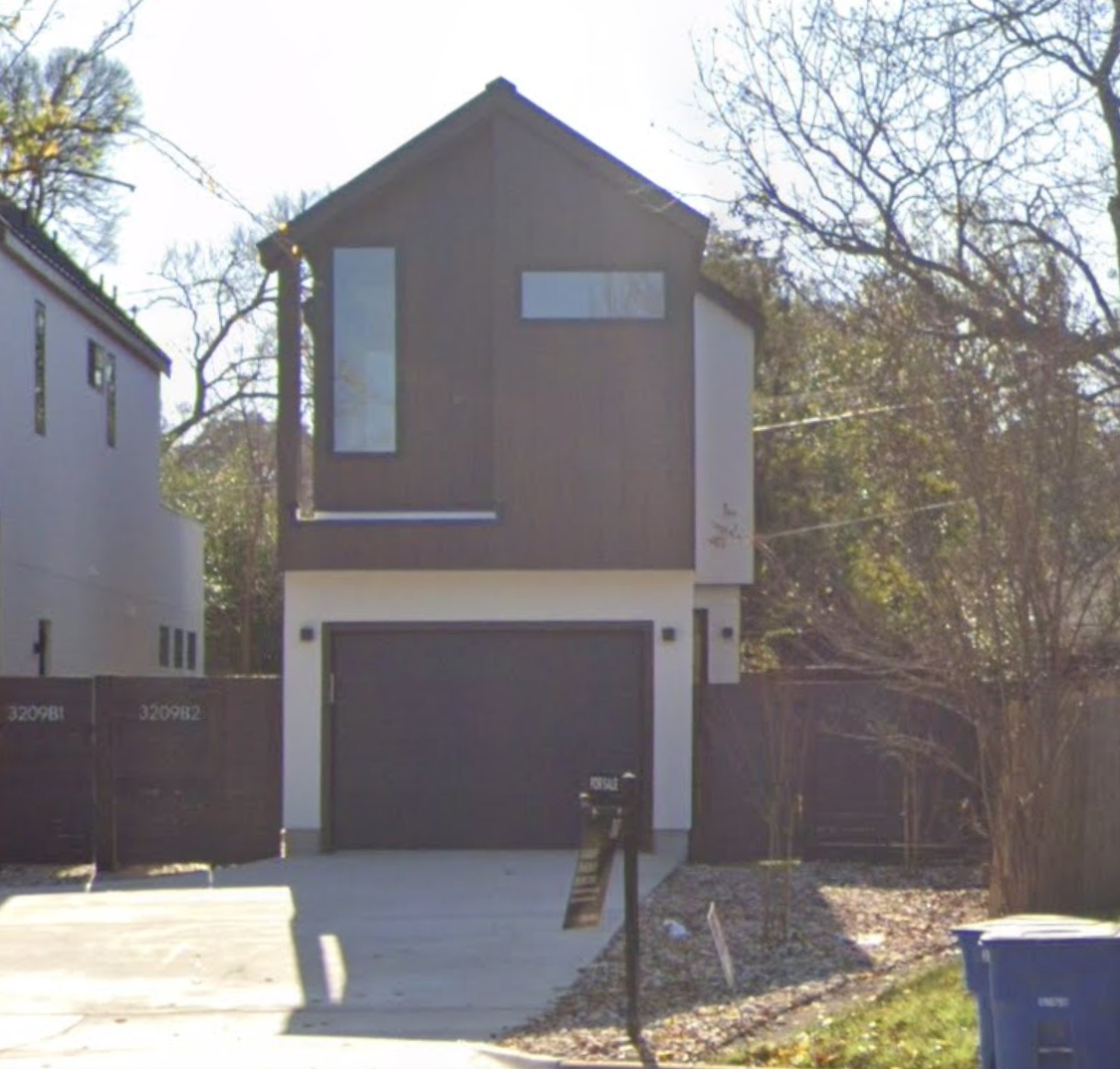
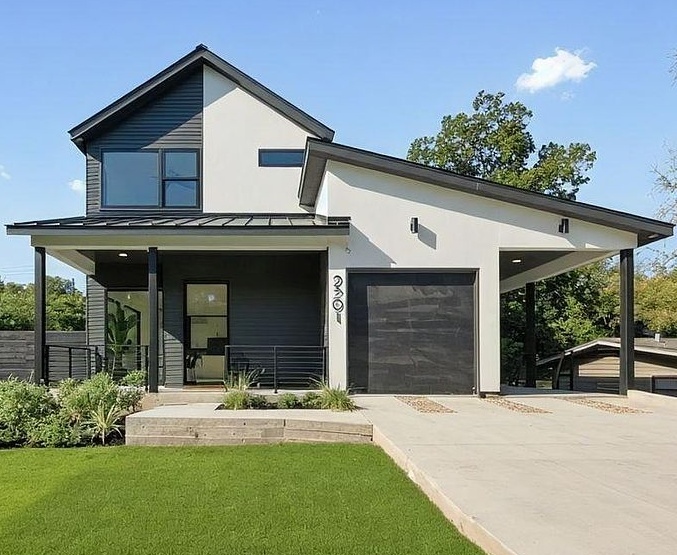
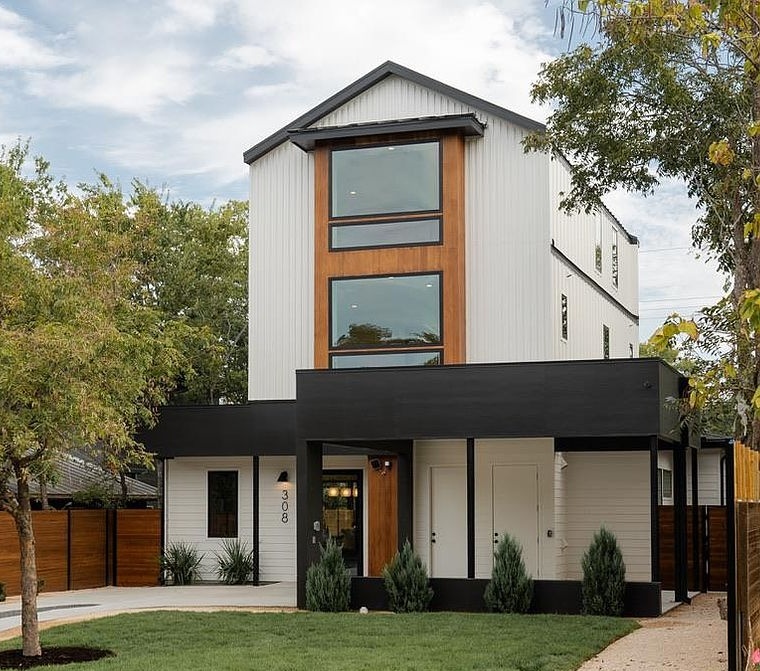
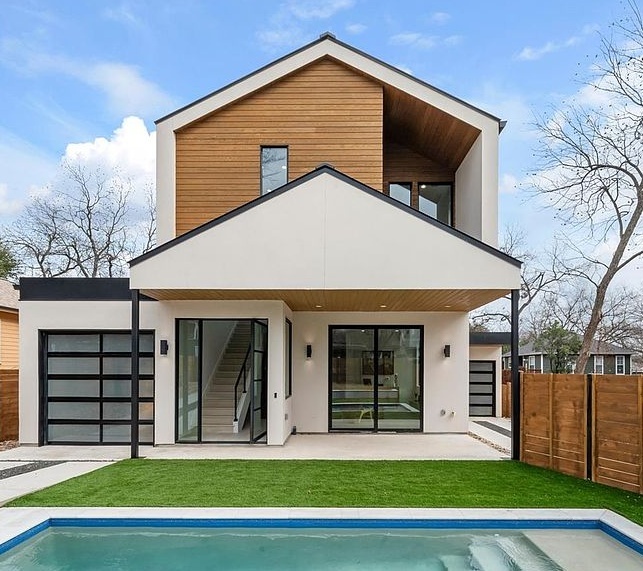
No. Austin's current builders are developing housing that is uninteresting, even repellant to what aspiring tech founders most respond to.
As an example, below are six new spec builds (as of 12/25) for sale in 78704 — one of Austin's most walkable and culturally important neighborhoods.
These houses represent the shortest path to project completion given the available capabilities of semi-skilled crews and common catalog products. They exhibit:
- Generic modernist styles
- Vehicle-centric, garage-forward
- Unsettling proportions
- Peculiar window placement
- Significant focus on catalog interior finishes
- Stucco awkwardly accented with alternate materials
What Are the Classic Styles in 78704?
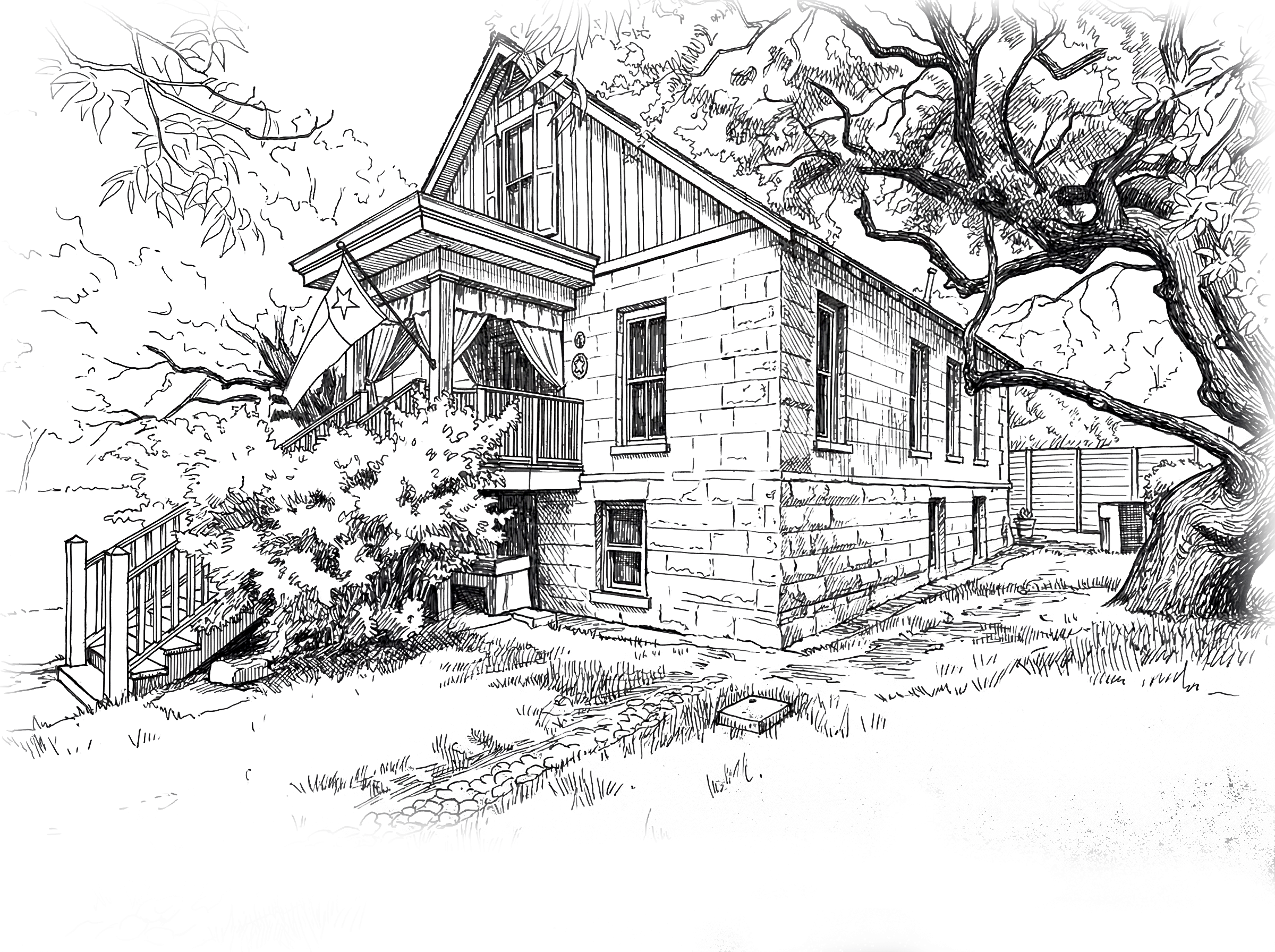
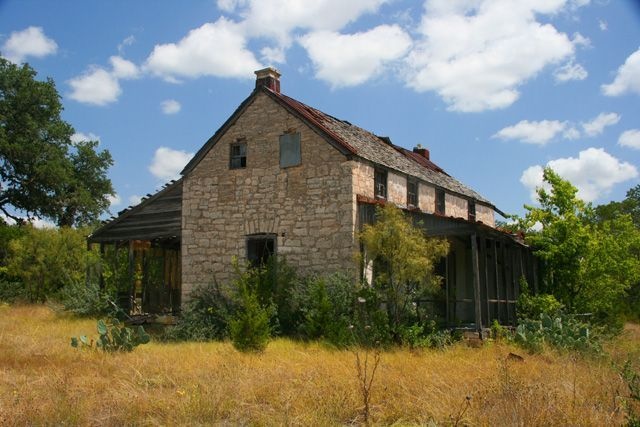
Pre-1890: Vernacular local stone & wood frame
If done correctly, can be replicated today. Some care required to ensure wall systems meet current efficiency requirements. Depends on individual parcel soil conditions for foundation to support heavy walls.
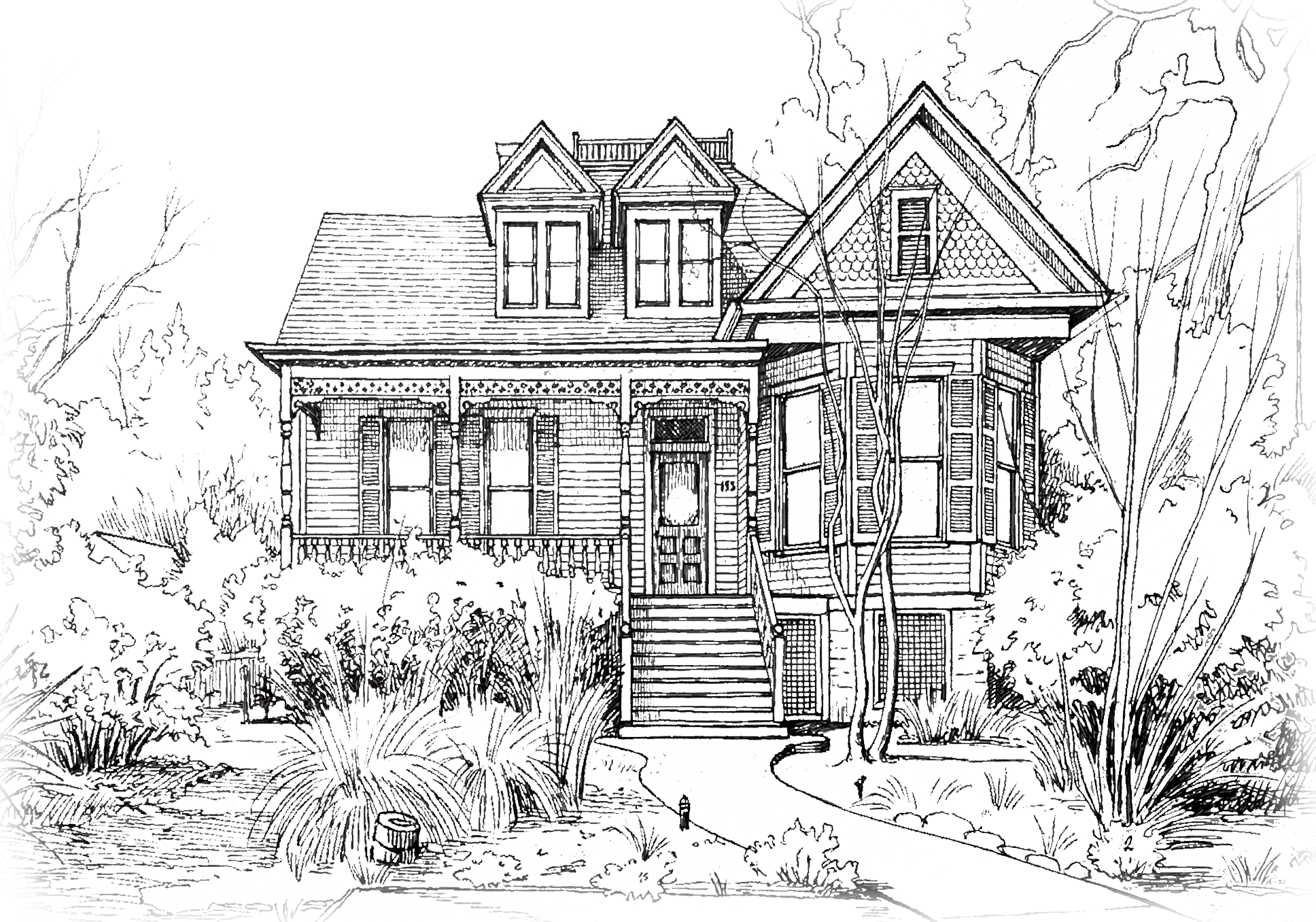
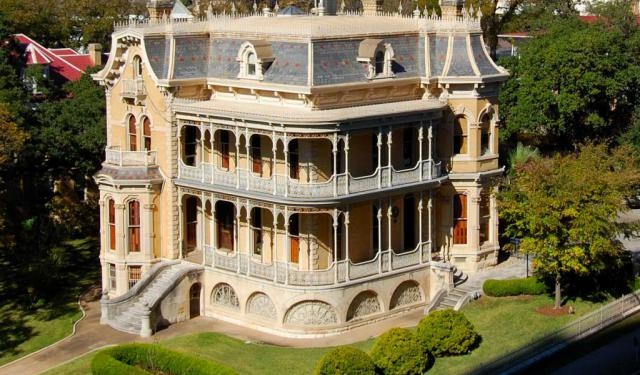
1890–1910: Victorian
Strong recommendation against replicating. Victorian homes were made possible by a highly developed national network of finely detailed wood mills, now long out of service. Contemporary recreations tend to be over-simplified and typically compromise with improperly assembled pieces.
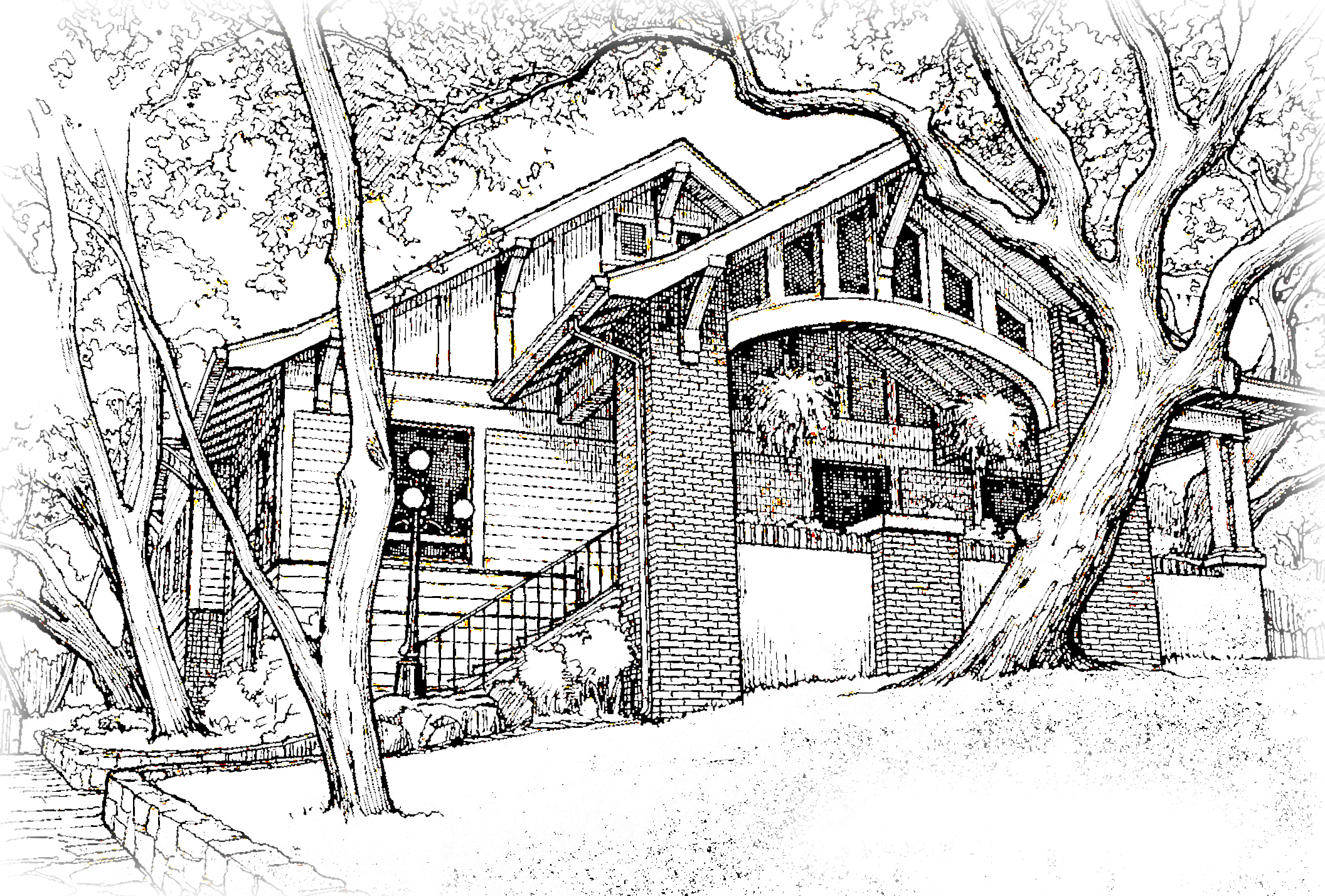
1910–1930: Craftsman
Could be made today, with attention and cost for wood details. Pier & beam foundation system with wood frame construction (balloon frame, not contemporary stick-built with plywood/osb). Interior features will rely heavily on wood. Possible, but with some cost.
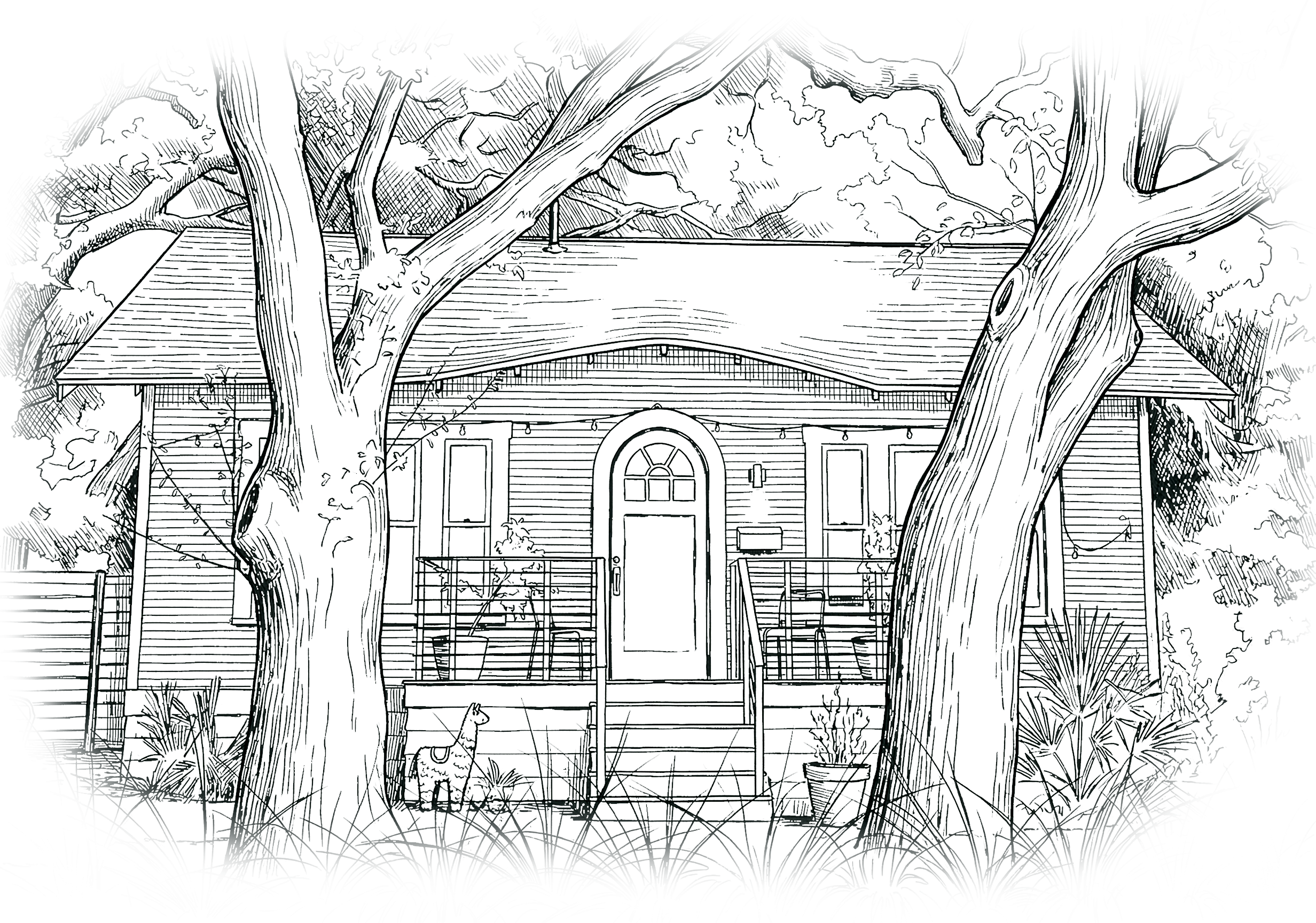
1910–1940: Bungalow
Can be done today with attention and cost for wood details. Many period revival variants. Similar issues to the Craftsman on the prior page, but with slightly less difficulty and cost.
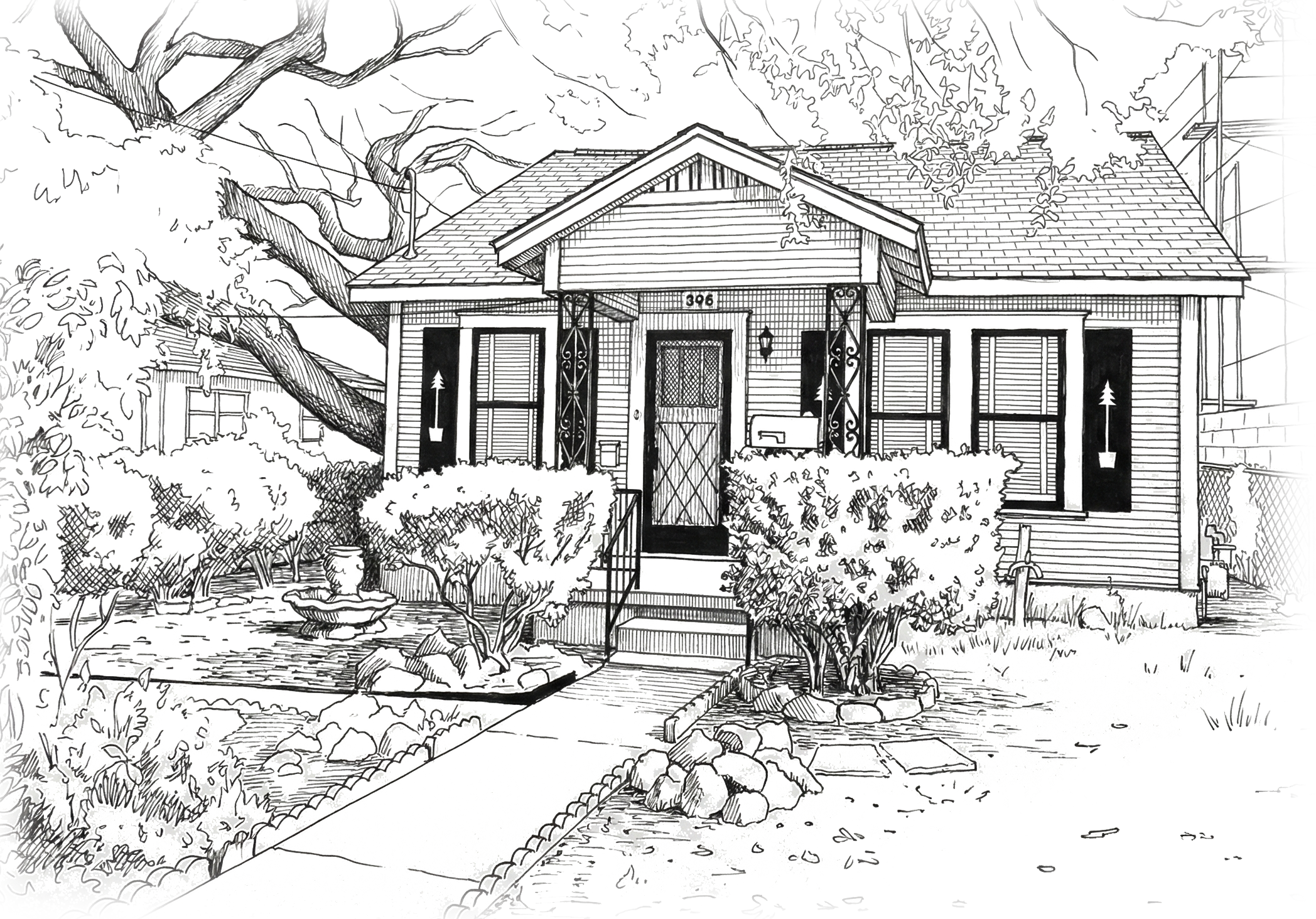
1930–1950: Minimal Traditional
The easiest style to replicate today. Minimalist homes with pier & beam foundations and modest wood features. Though humble, can be charming if executed with a proper sense of proportion and transition spaces.

1950–1970: Midcentury Modern
This style is readily replicable. The main impediment is the common misunderstandings of the style among local architects. AD Stenger was Austin’s Midcentury pioneer, and many of his extant homes have been profoundly and tragically altered by an illiterate cadre of Austin’s current architects.
Section III Build Austin, Do Not Merely Build in Austin
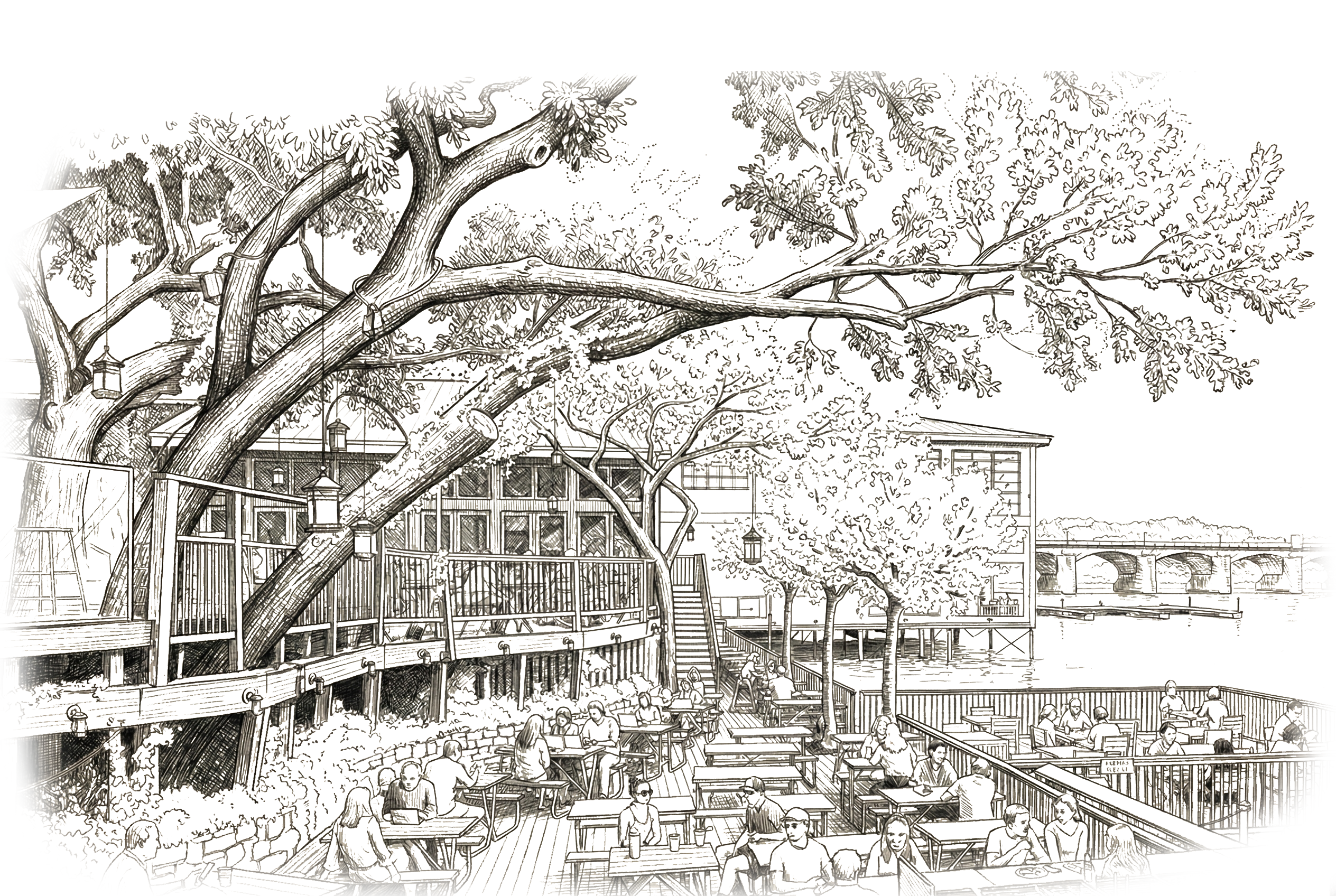
What Should We Build for Aspiring Tech Founders?
Authentic Austin housing, concentrated in select neighborhoods, with an initial focus on South Congress/78704. These recommendations are driven by the research in Section I and Appendix A.
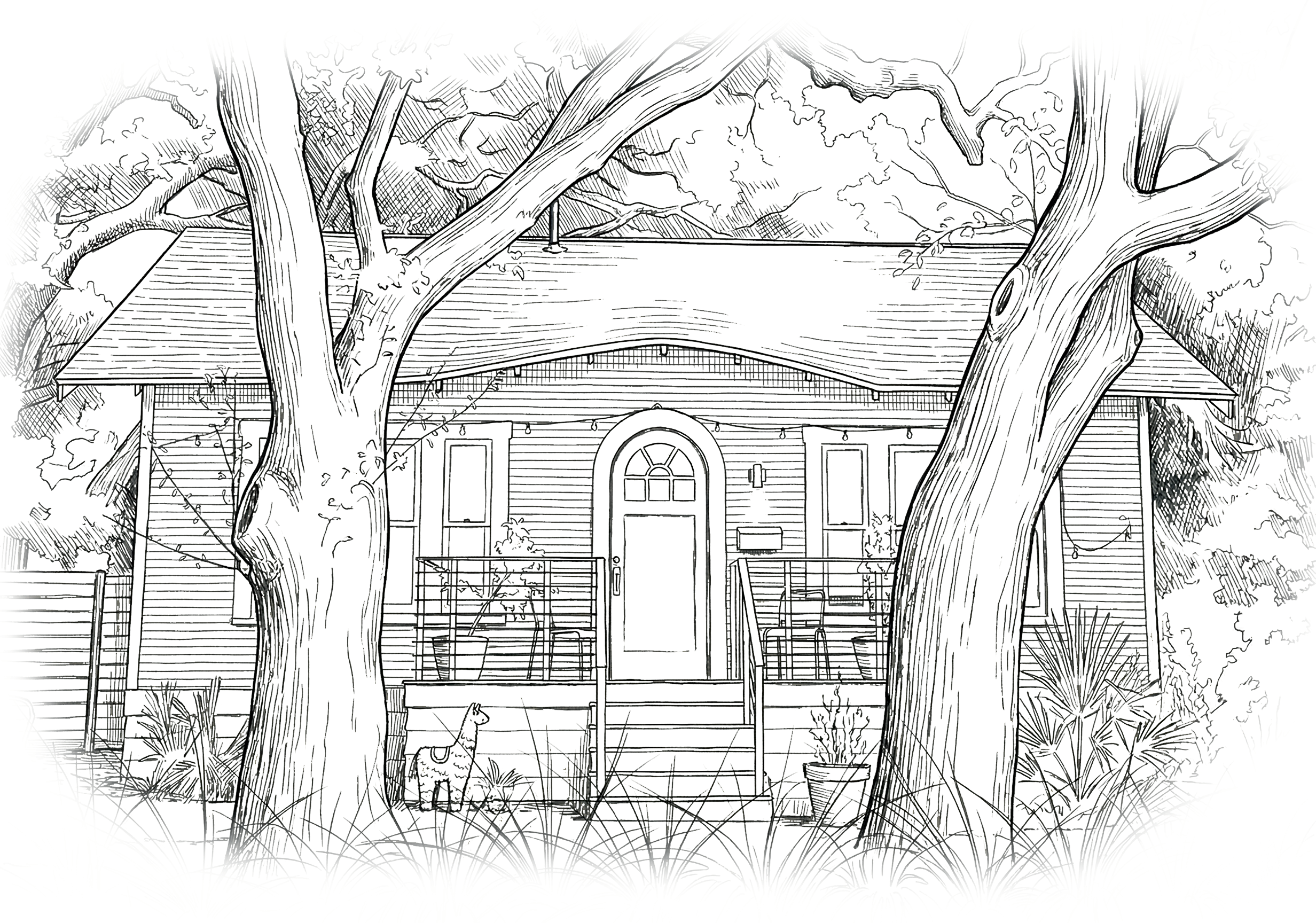
What is "authentic Austin housing?" Two things:
- Historically-rooted builds — honoring local precedent, which may be wholly original or compatible additions to existing structures
- Creative new builds — New combinations that speak to Austin's architectural voice, when that voice is properly understood
Austin’s Built Environment: A Very Brief Architectural History
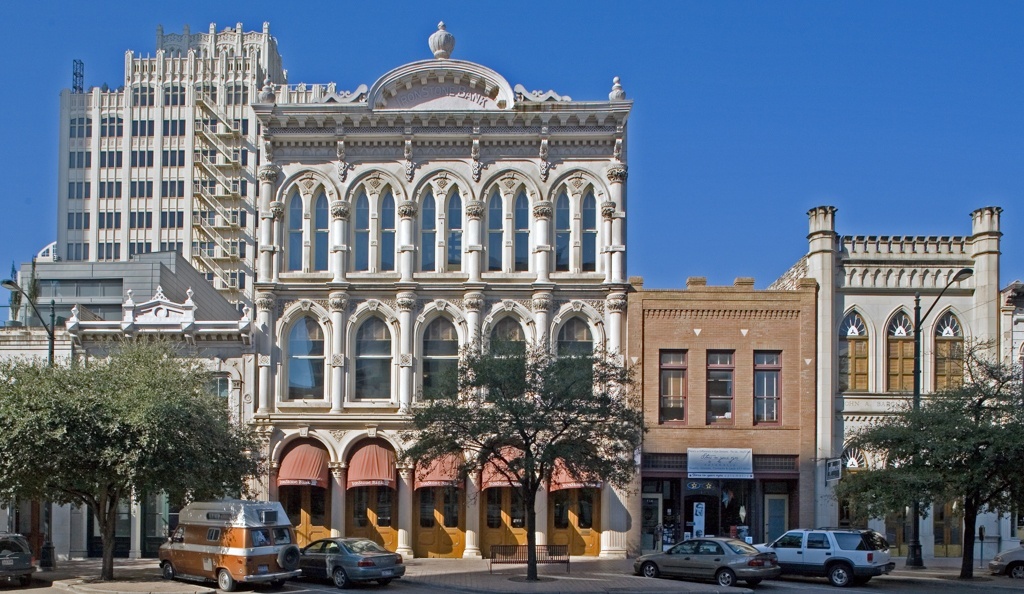
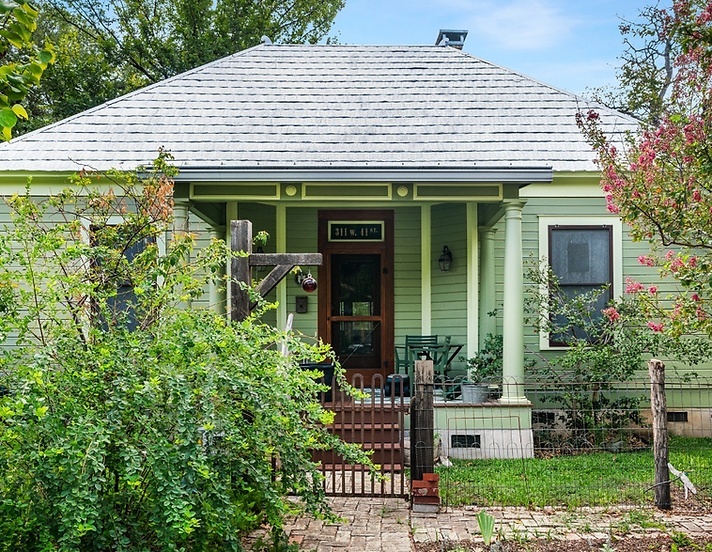
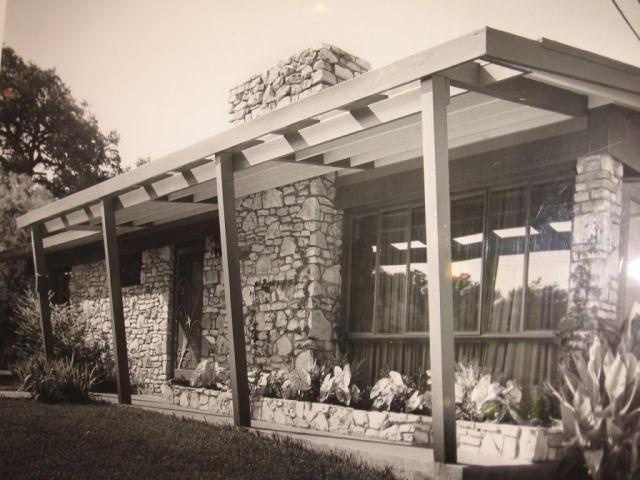
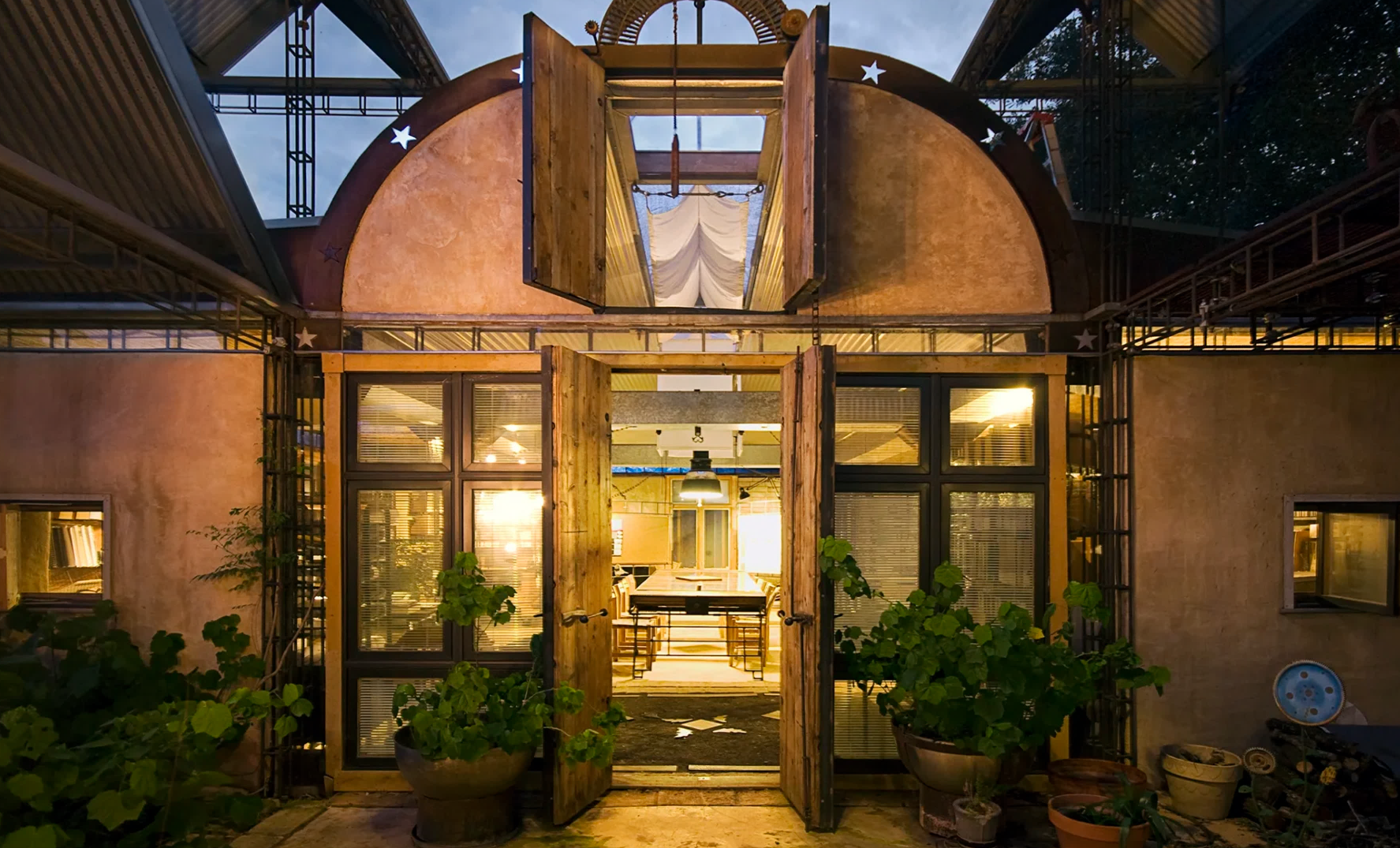
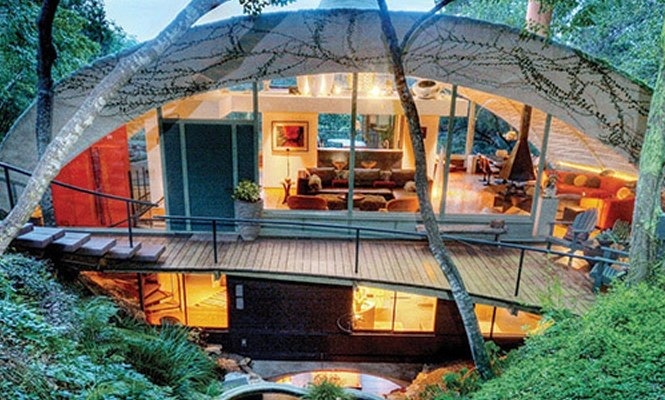
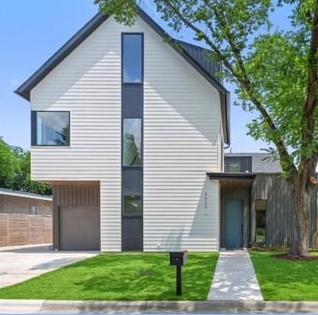
What Is Austin's Architectural Voice?
Let's define the pattern language. Some combination of:
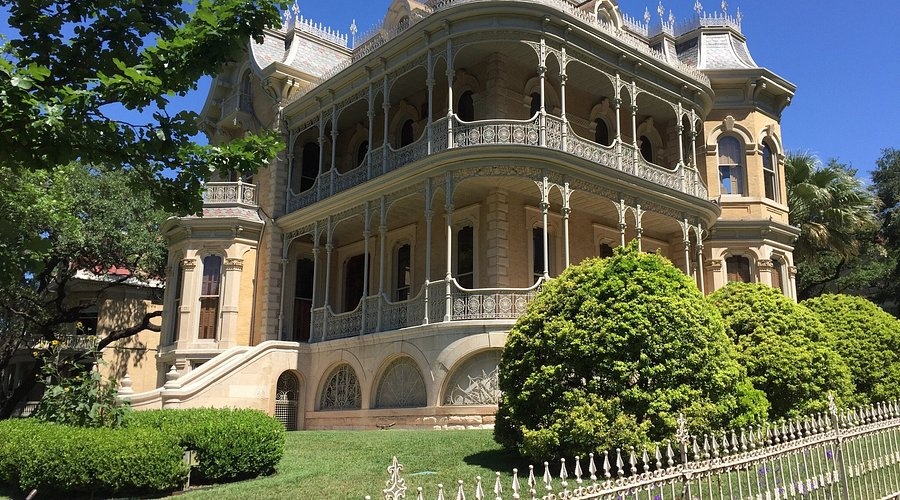
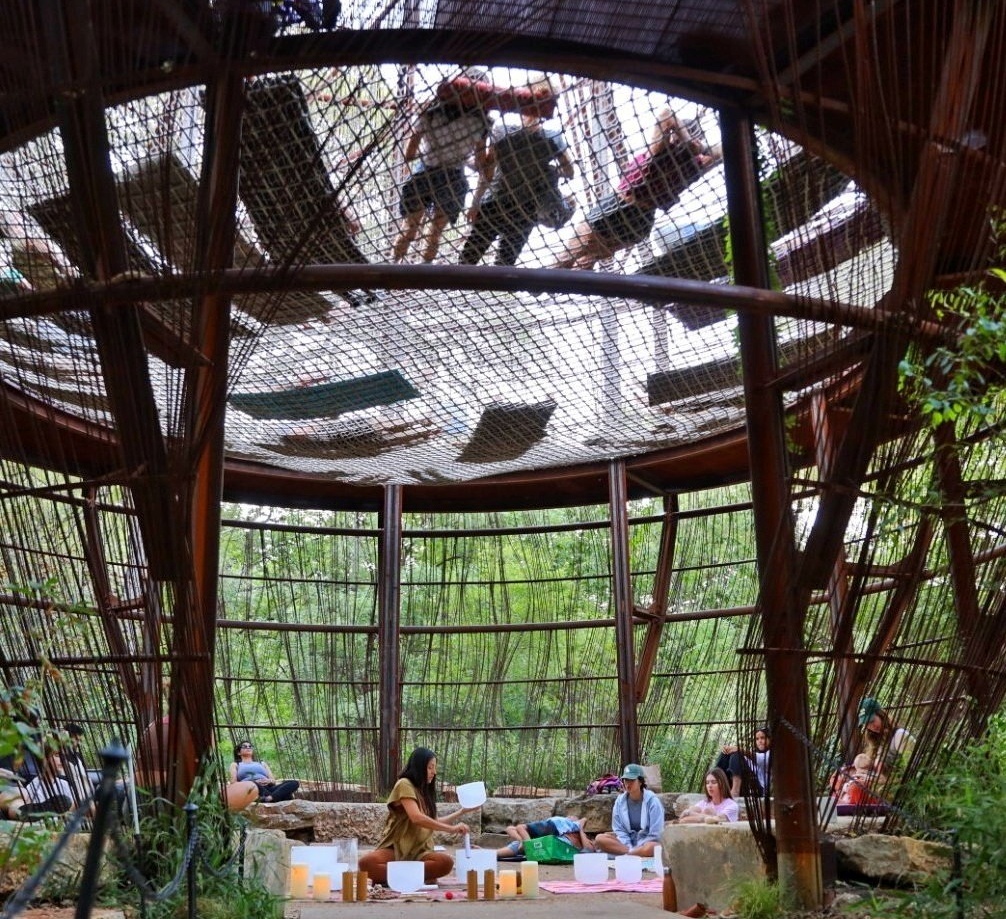
Shaded
Deep porches, colonnades, heritage trees, and canvas create protective microclimates. Mitigates the heat.


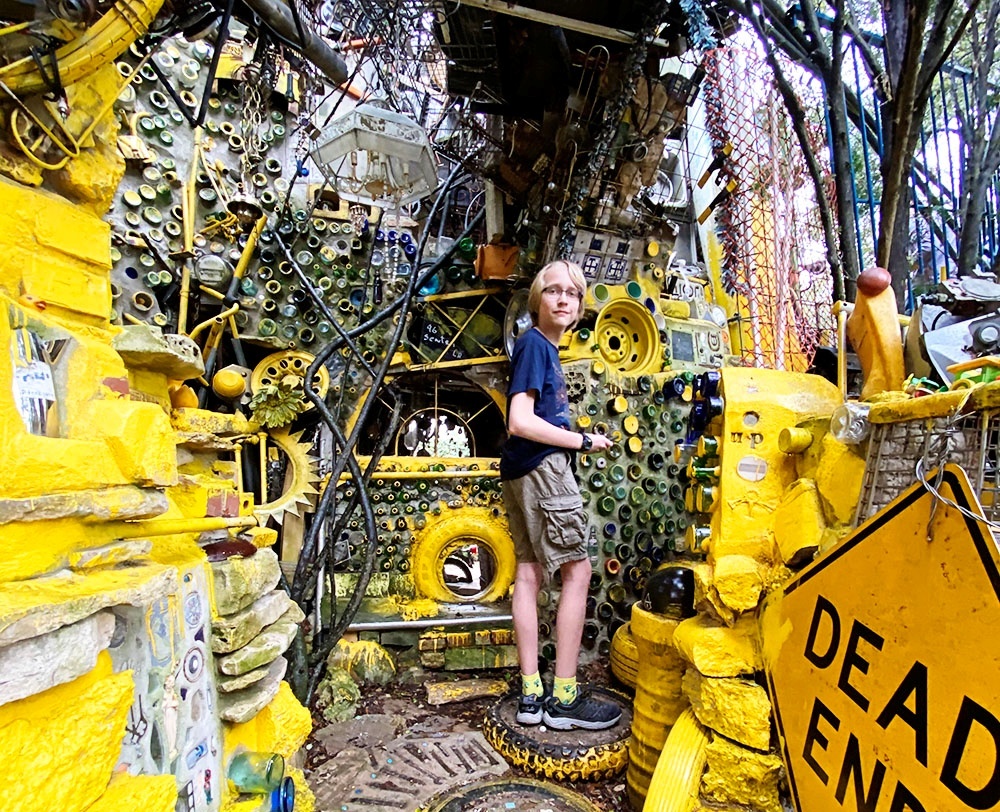
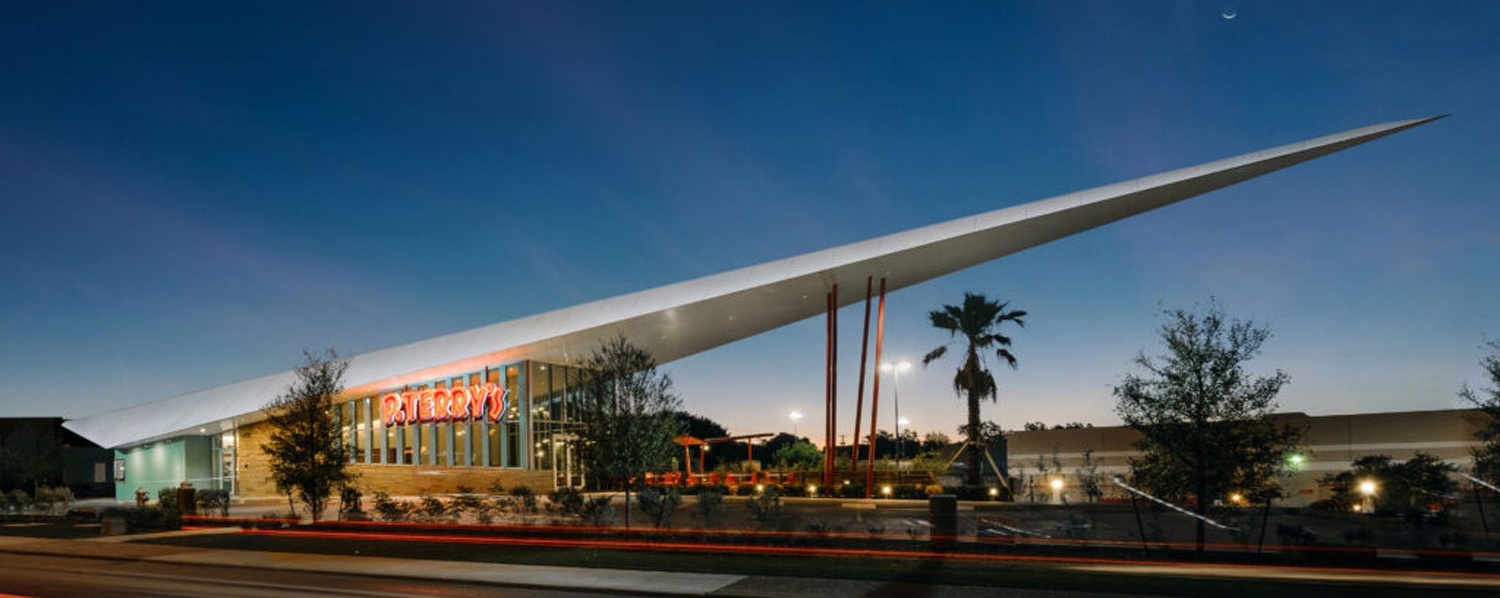
Playful
Elevation of the informal, the improvised, and the expressive. Non-conformist lack of pretension.

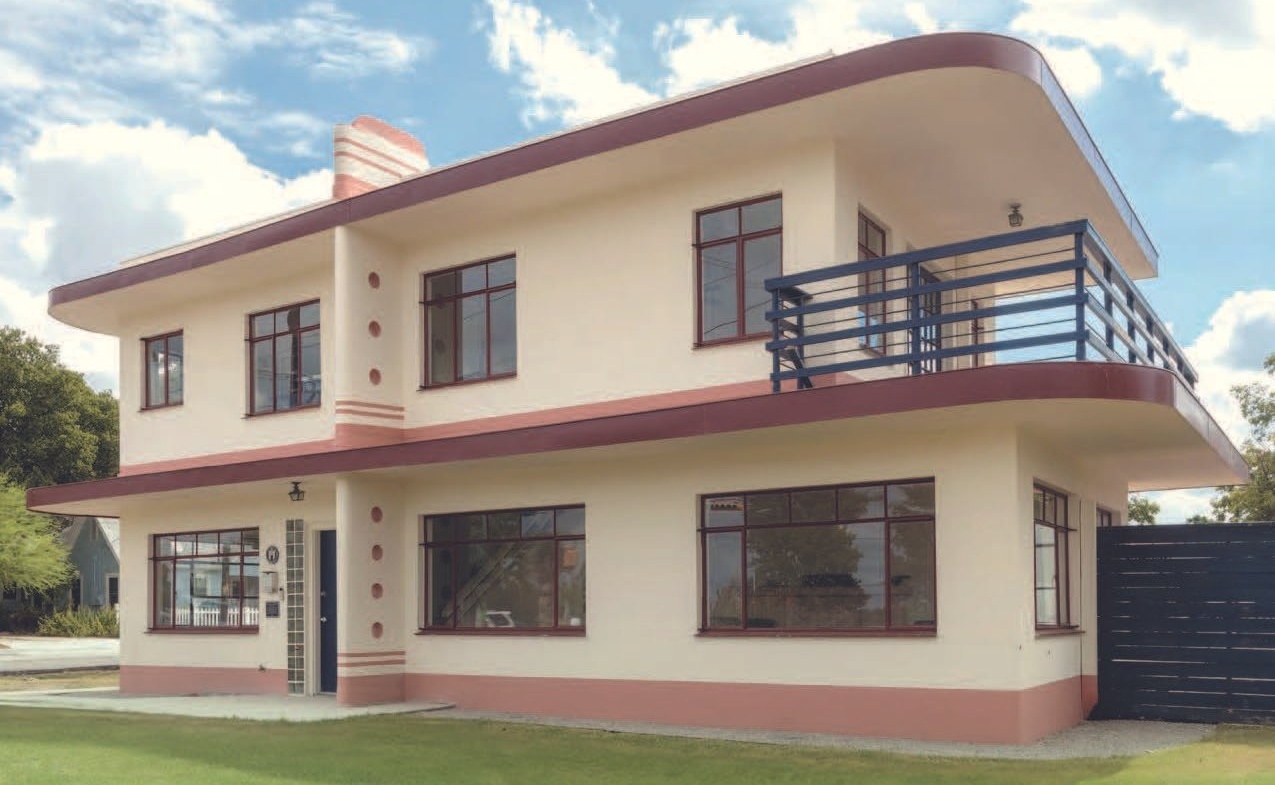
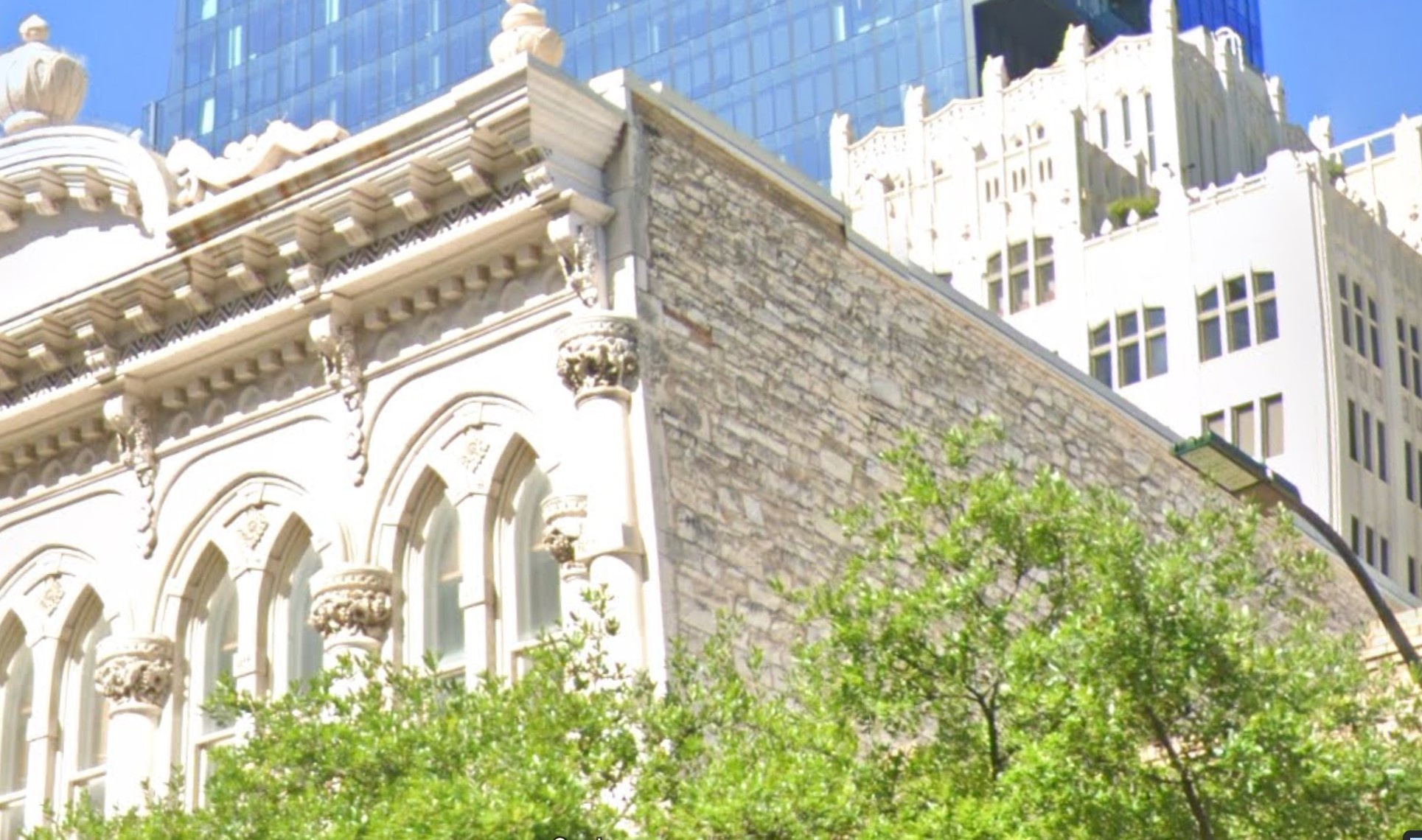
Literate
Respect for classical proportions, the best American styles, and regional vernacular. Feels right without explanation.

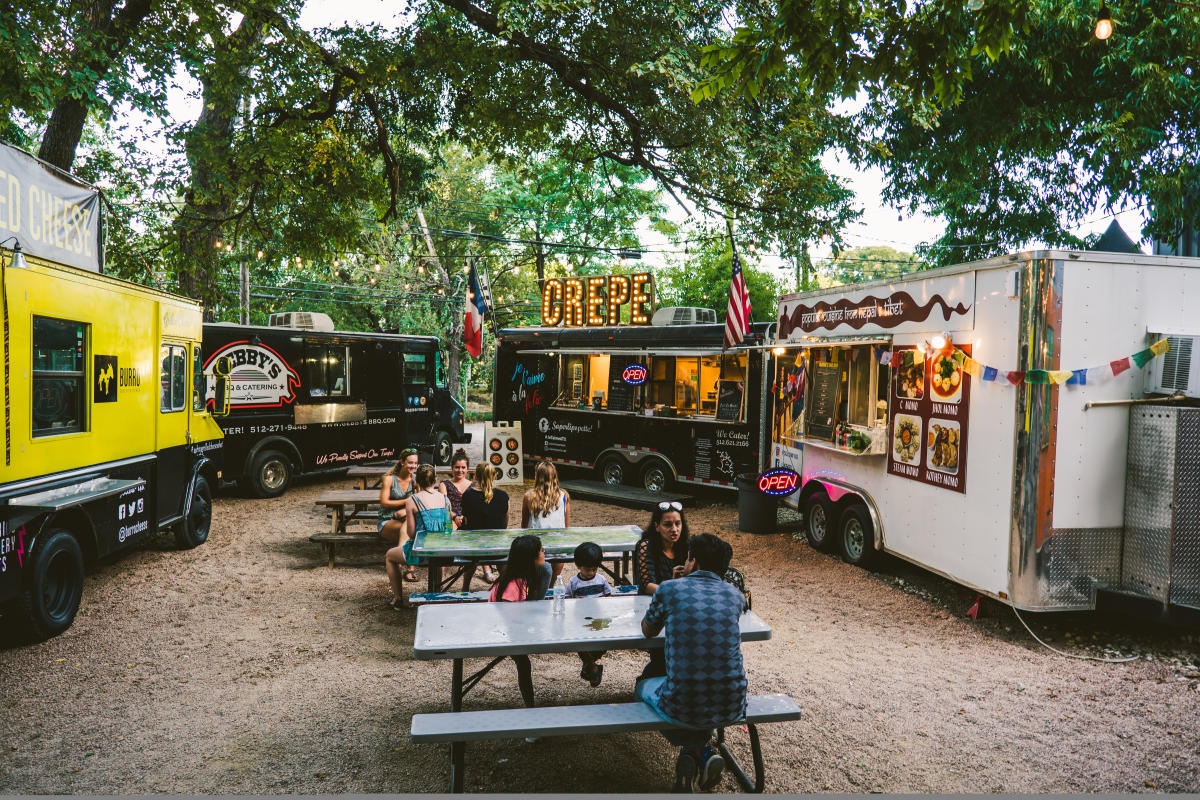
Friendly
A preference for collections of small structures over massive blocks. Promotes sociability.
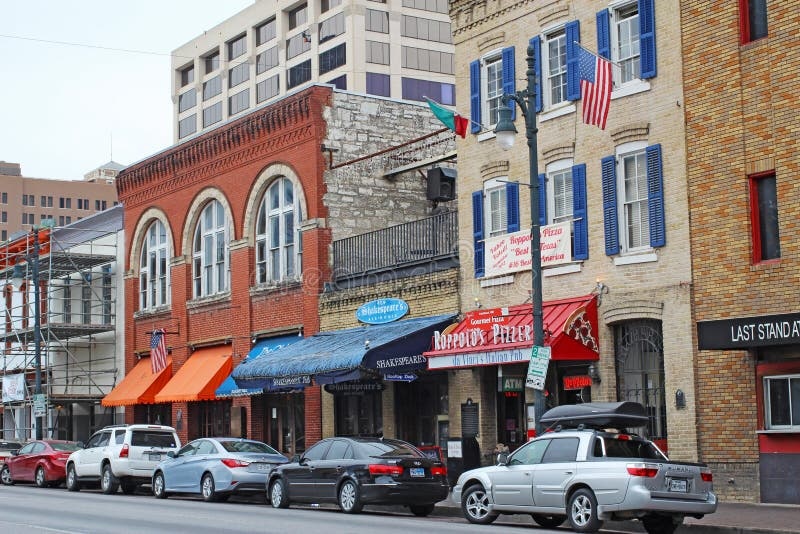
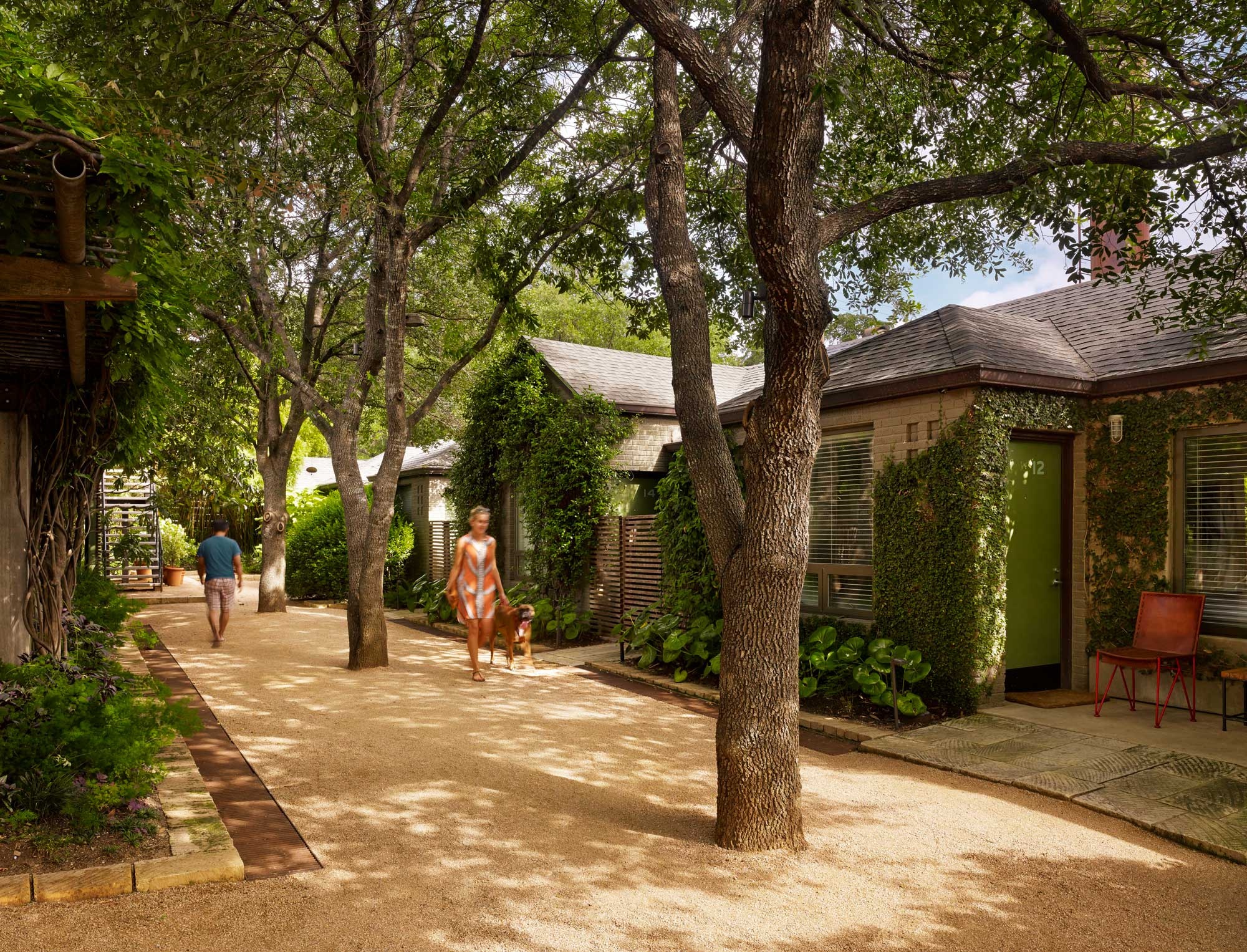
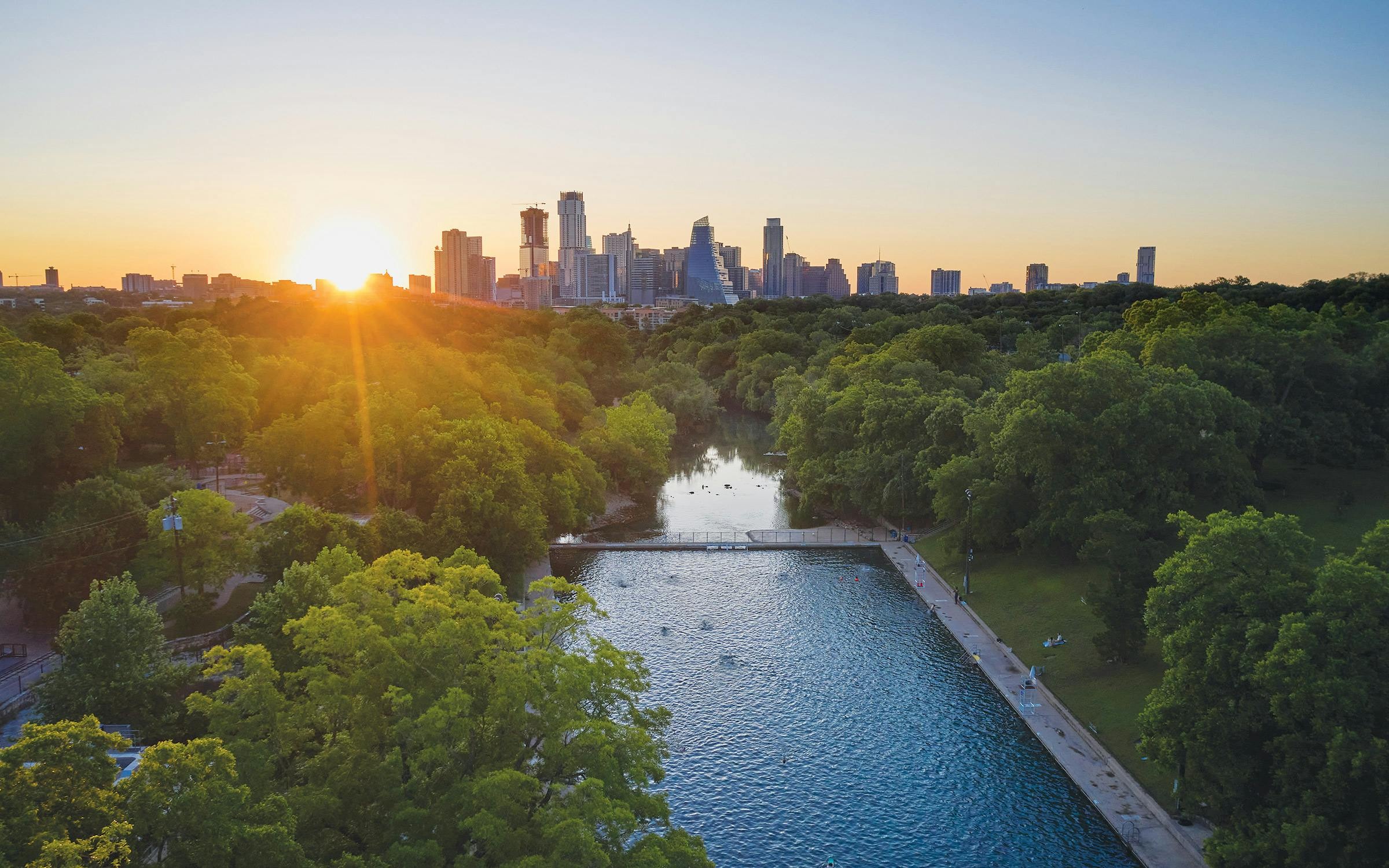
Earthy
Blending the formal with the primitive. Often in transition from natural to ordered.
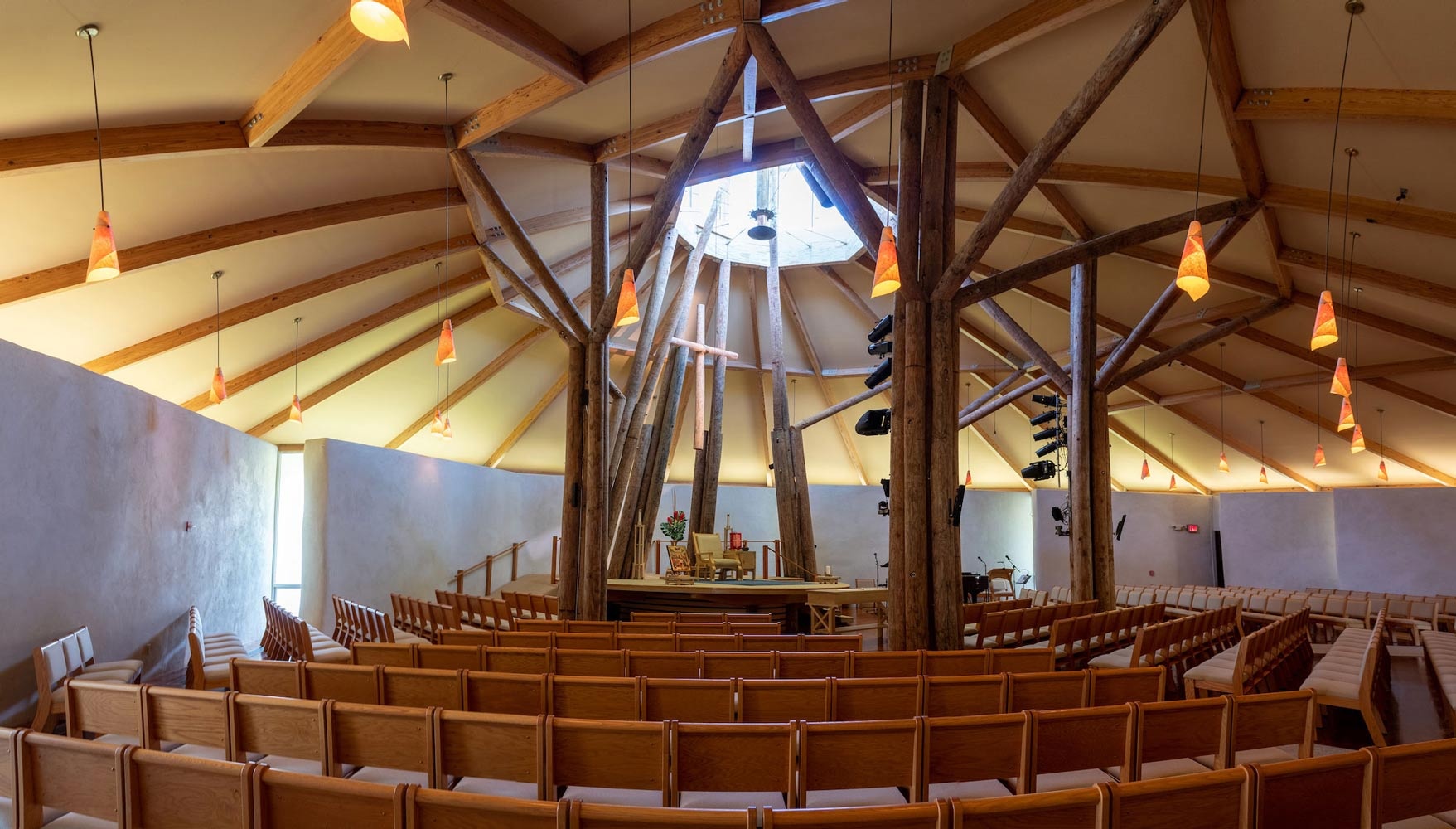
Austin Typology Worksheet
The worksheet below requires subjective judgments and should only be used to guide a conversation.
| Characteristic | Description | Imperative | Score (1–5) | Multiplier |
|---|---|---|---|---|
| Shaded | Via trees, colonnades, shade walls, porches, canvas covers, etc. | Must have | (1–5) | × 5 |
| Literate | Respect for classical proportions, the best American styles, and regional vernacular | Should have | (1–5) | × 3 |
| Friendly | Collection of small, not single massive | Should have | (1–5) | × 3 |
| Earthy | Formal and primitive together (sometimes in transition) | Nice to have | (1–5) | × 2 |
| Playful | Elevation of the informal, improvisation, expression | Nice to have | (1–5) | × 2 |
| Total | / 75 | |||
What Are Examples of Multiunit Housing Types That Could Be Made Today?
The following types are introduced here with brief notes. See Appendix B for detailed commentary on zoning, massing, and construction considerations for each type.
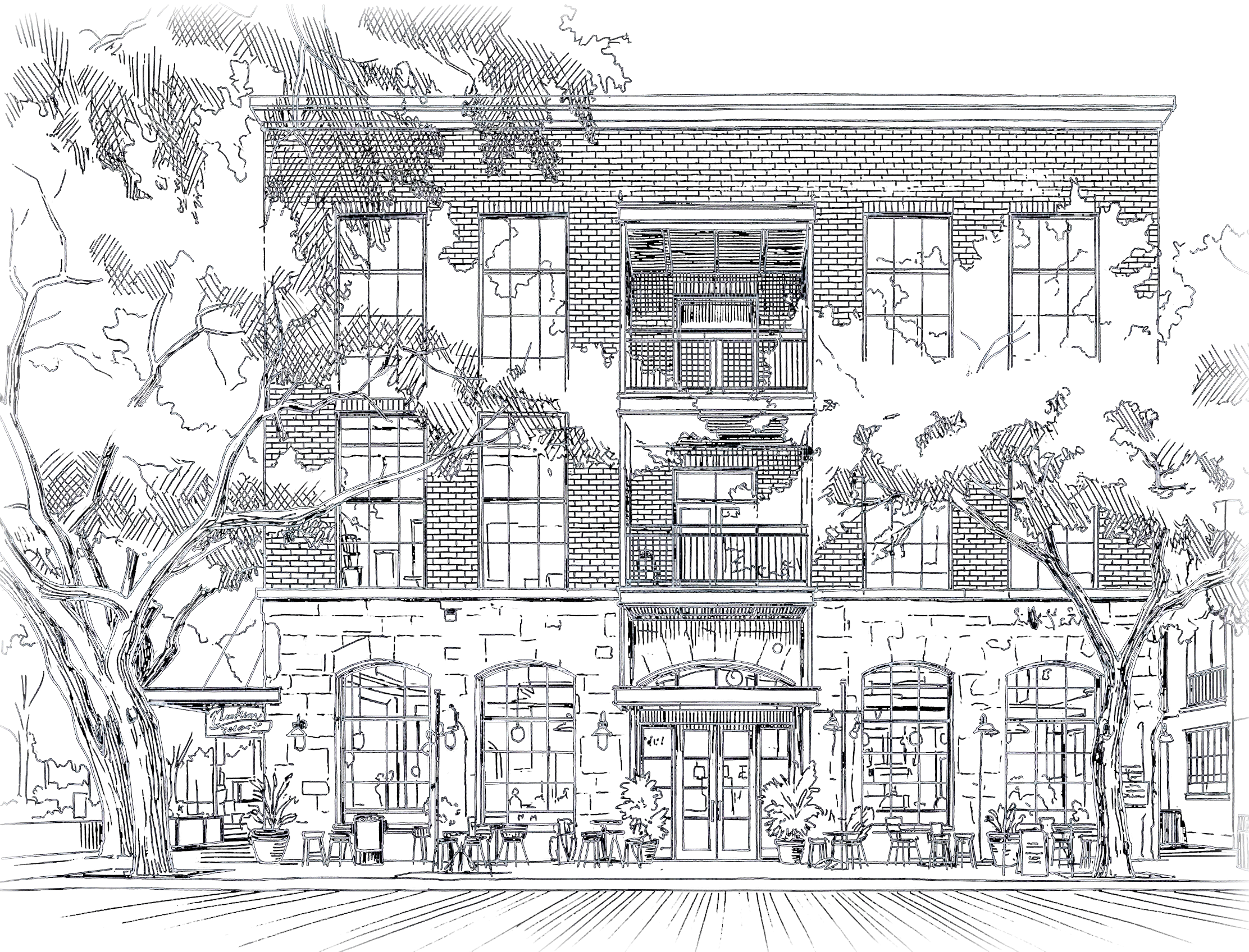
Main Street Historic
The single stair ordinance makes this classic type possible again. Very important that these buildings are made with Vitruvian proportions, proper transition spaces, and materials and details consistent with local precedent. The primary barrier is the capabilities of contemporary architects.
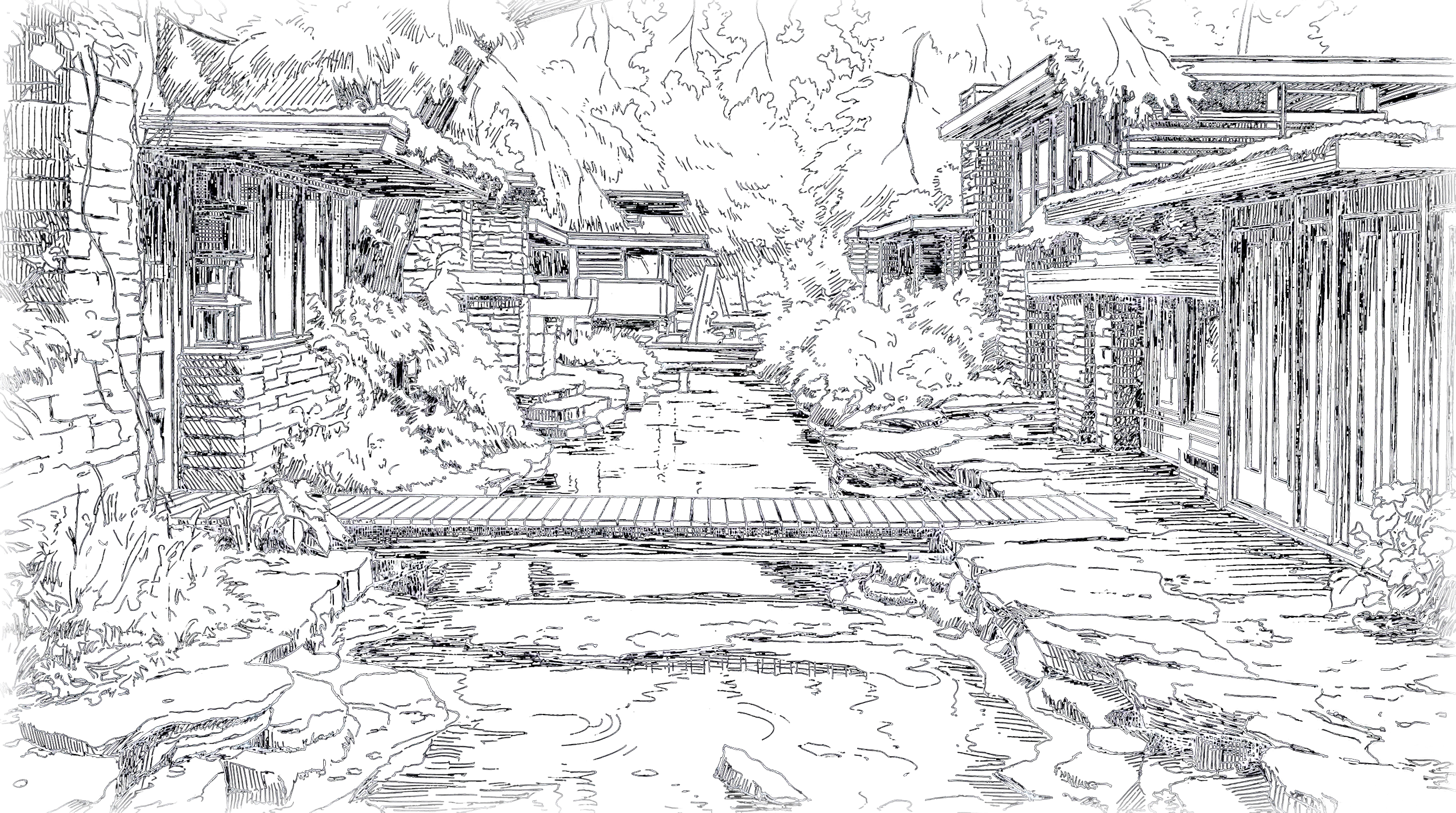
Limestone Usonian/Midcentury
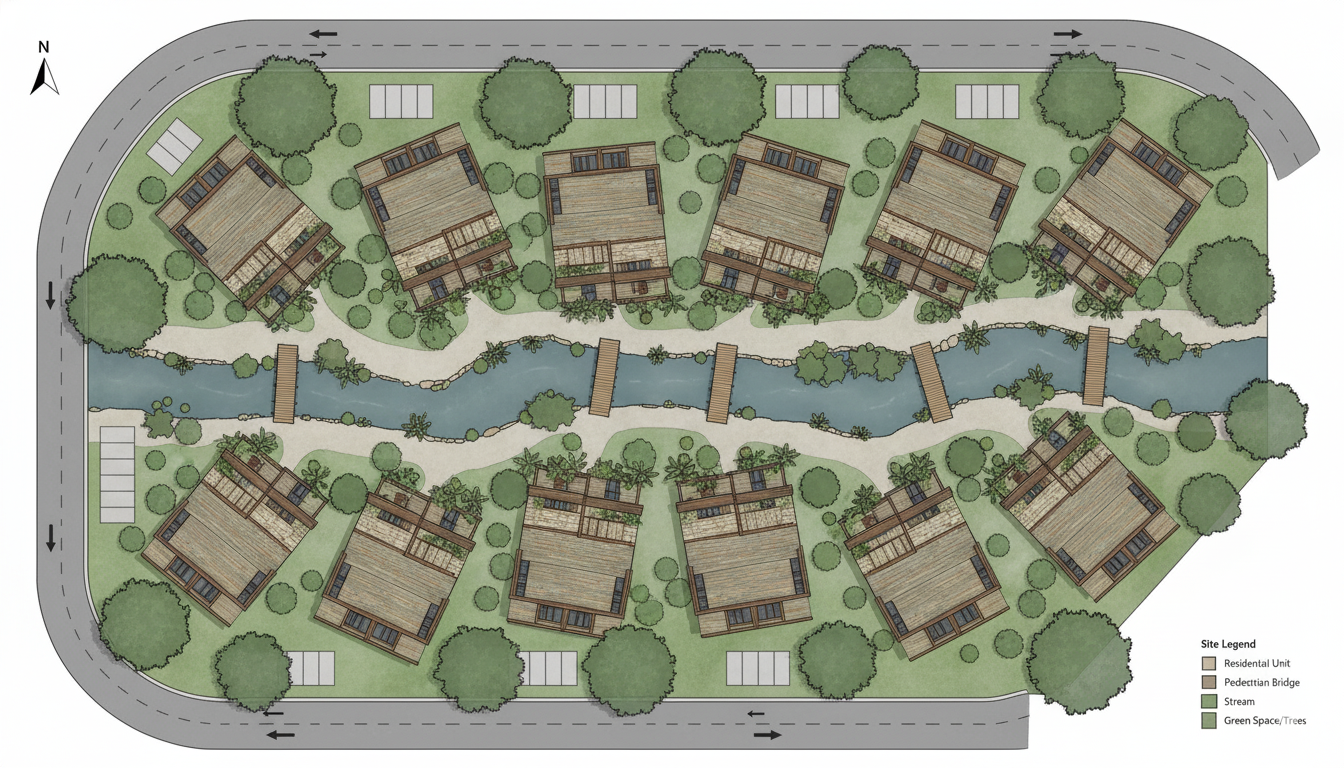
Many residential zones would support a multi-unit assemblage like this. The version depicted centers on a man-made water feature. These can be made of native limestone & wood.
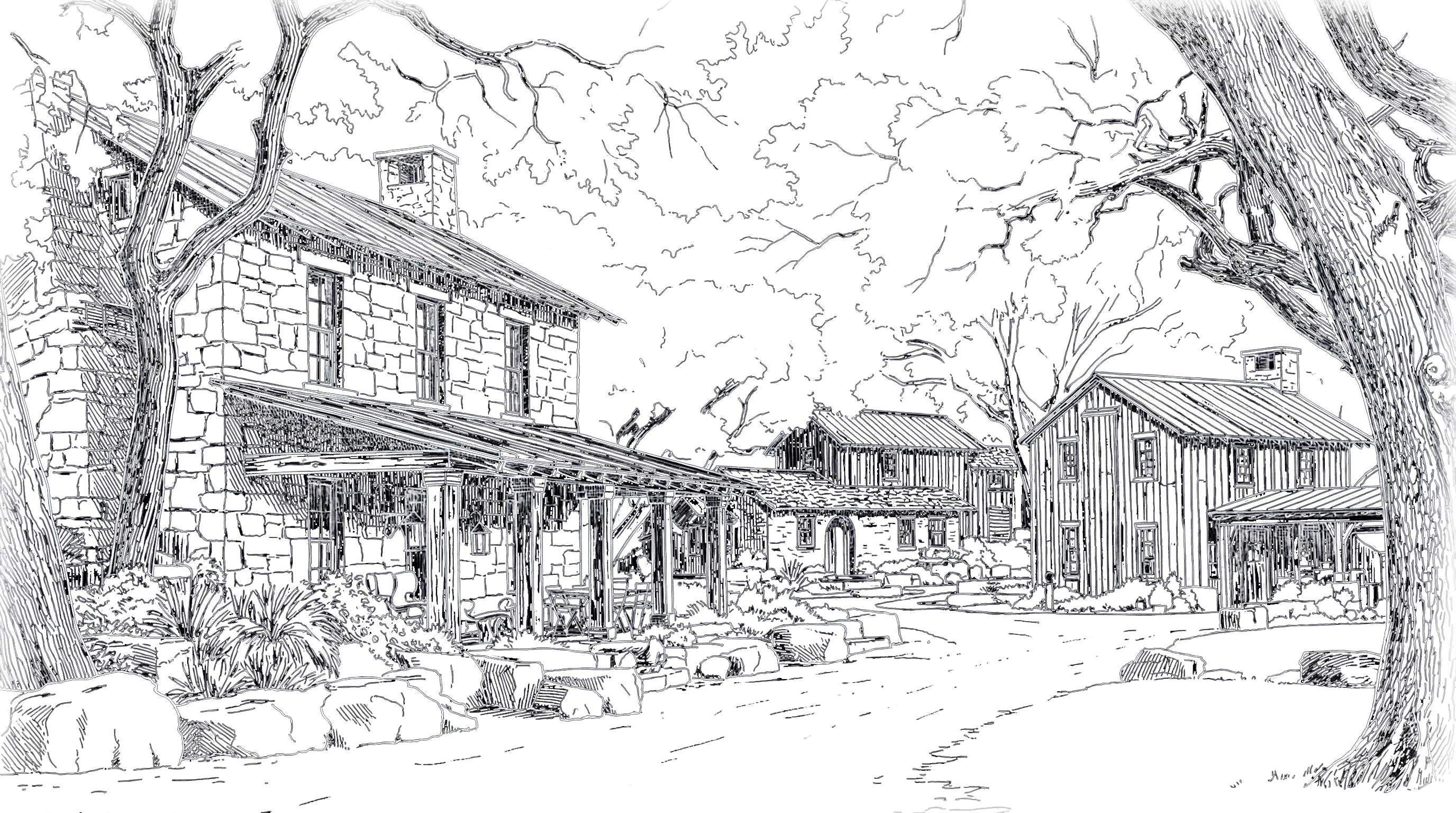
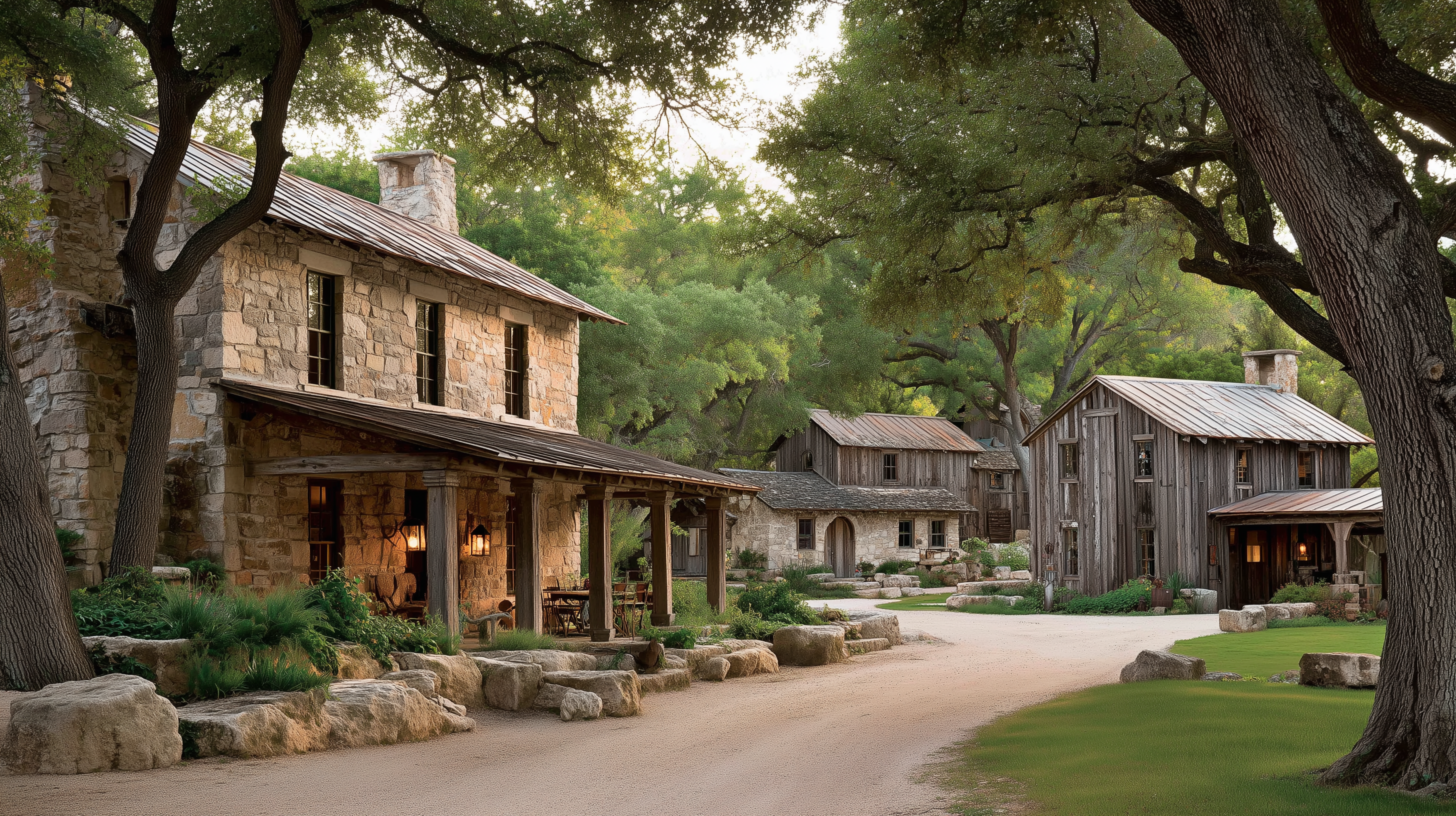
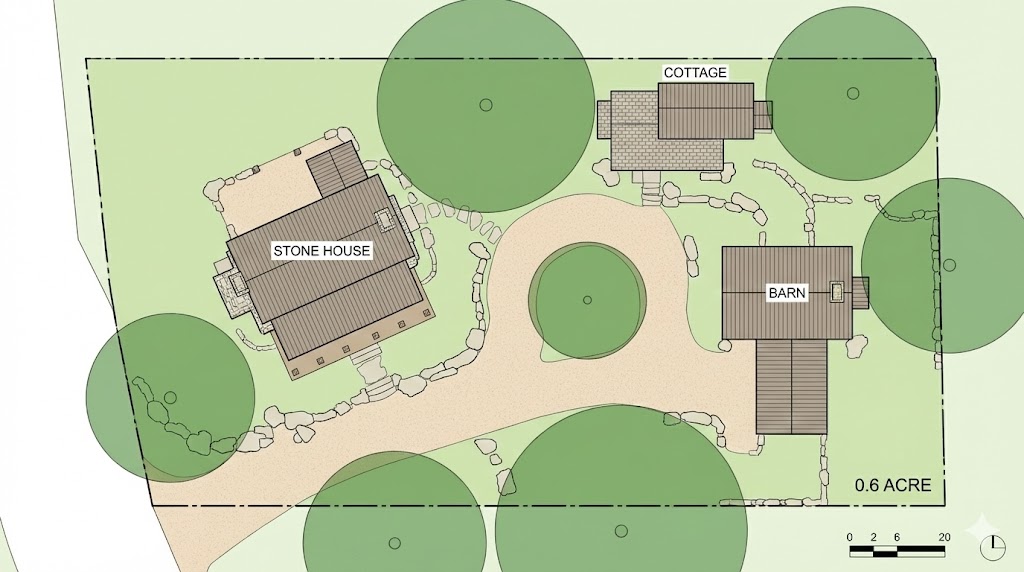
Farmhouse Compound
This type can easily be modified to accommodate enclosed workspace for hard-tech founders. The simpler and more faithful the materials and execution, the more charming it will be. A group of units such as depicted is possible in many Austin residential zones.
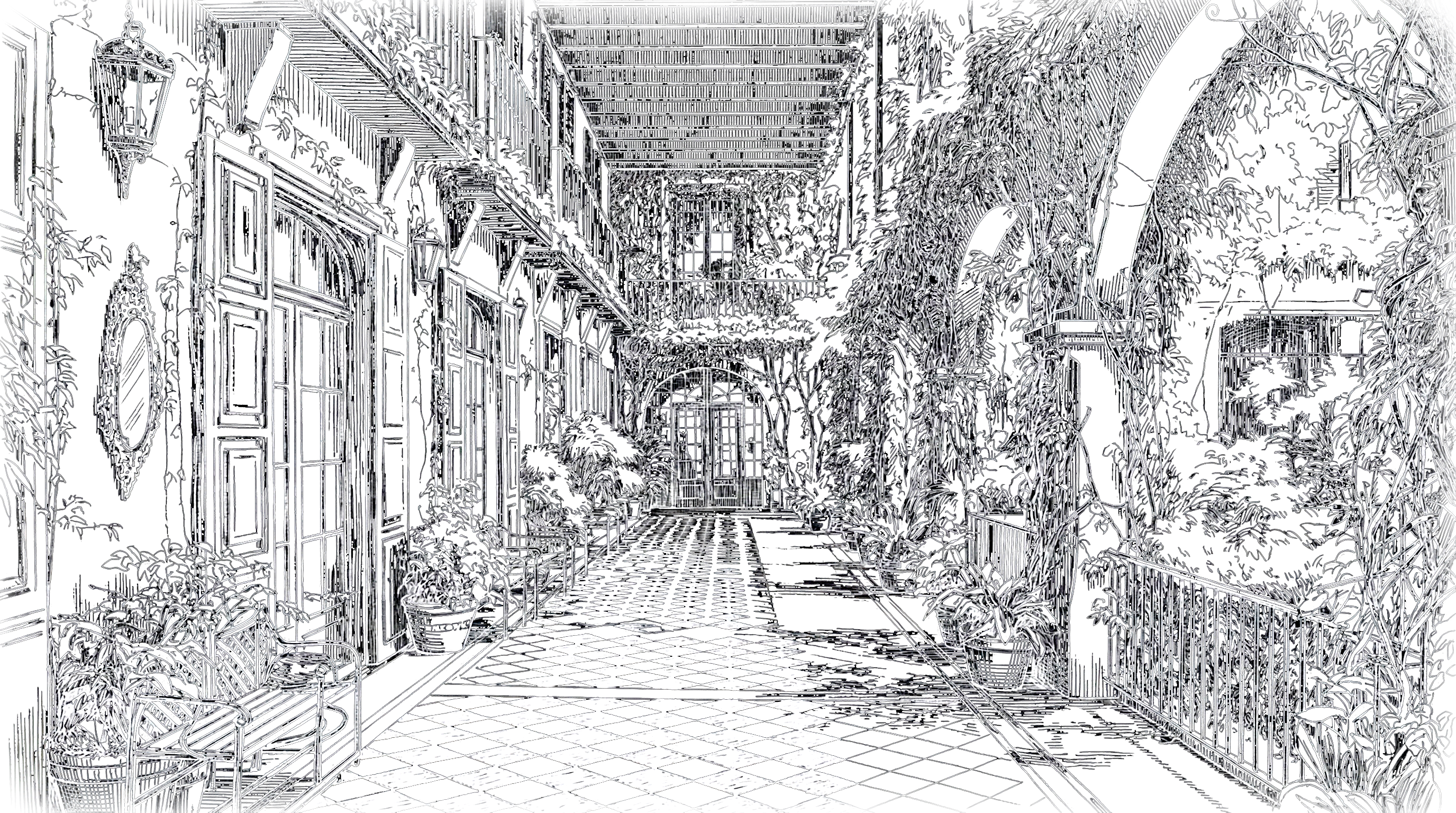
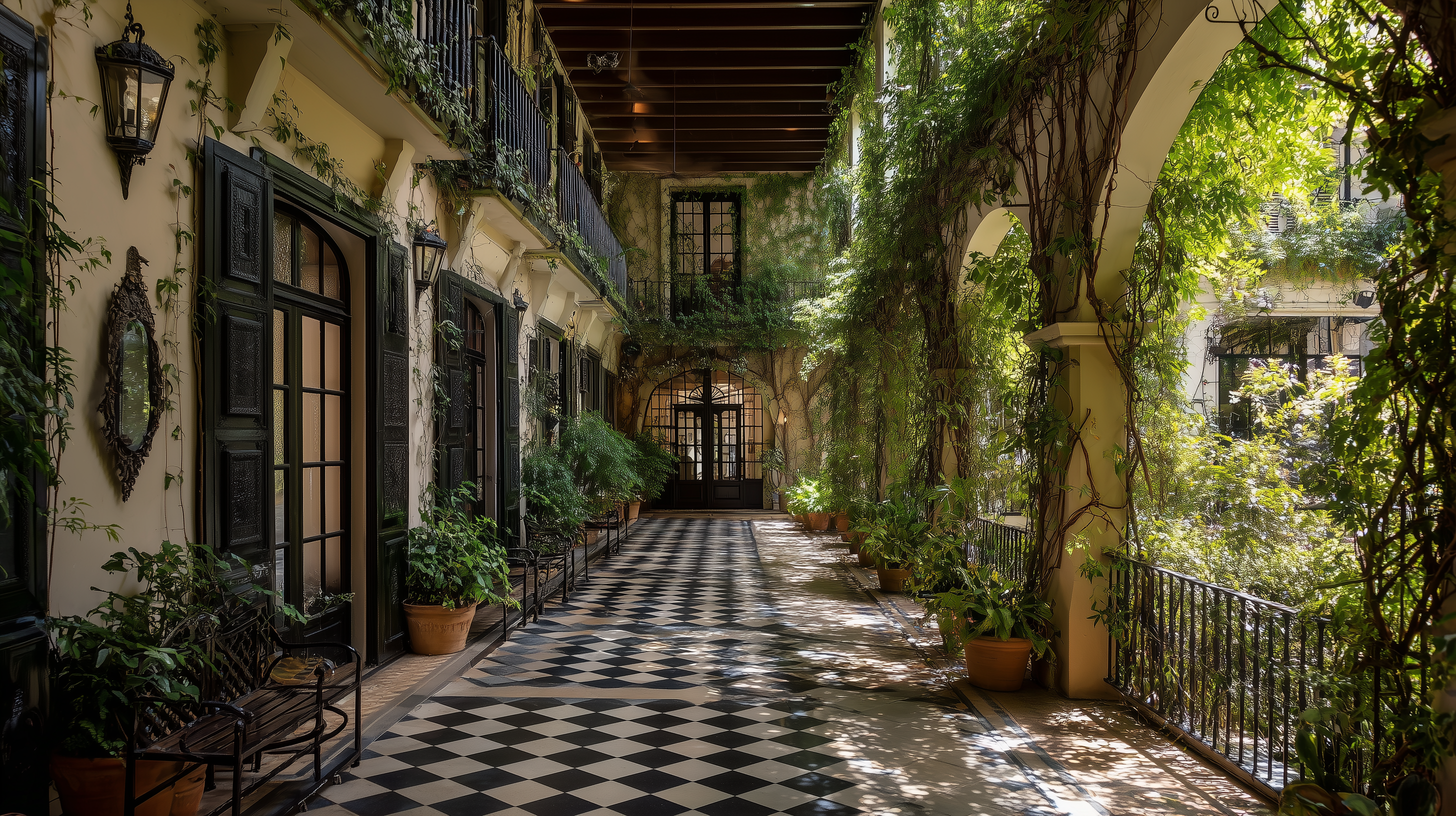
Casa Chorizo
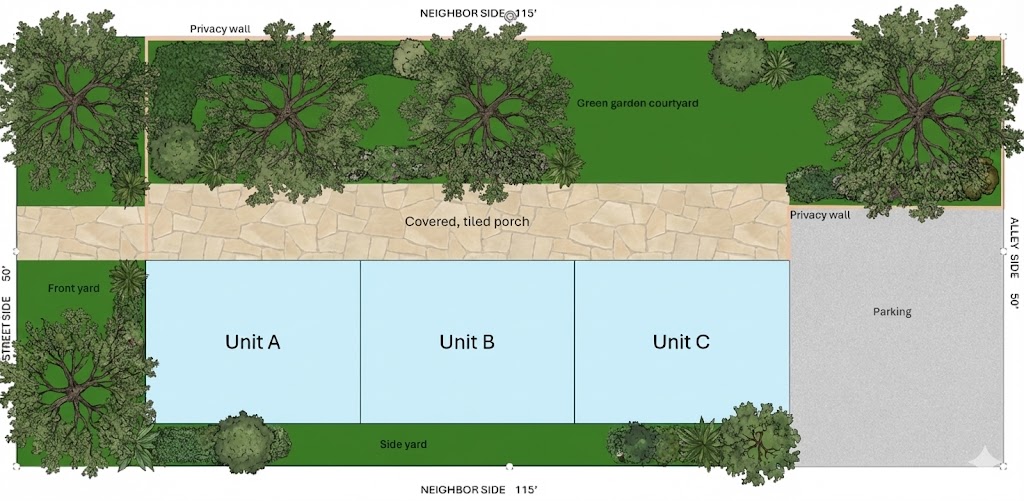
This is a localized and “Texified” version of a traditional building style from Argentina and Uruguay, in a region with a nearly identical climate to Austin. Maximizes comfort of outdoor semi-enclosed areas. This would be possible in many residential zones.
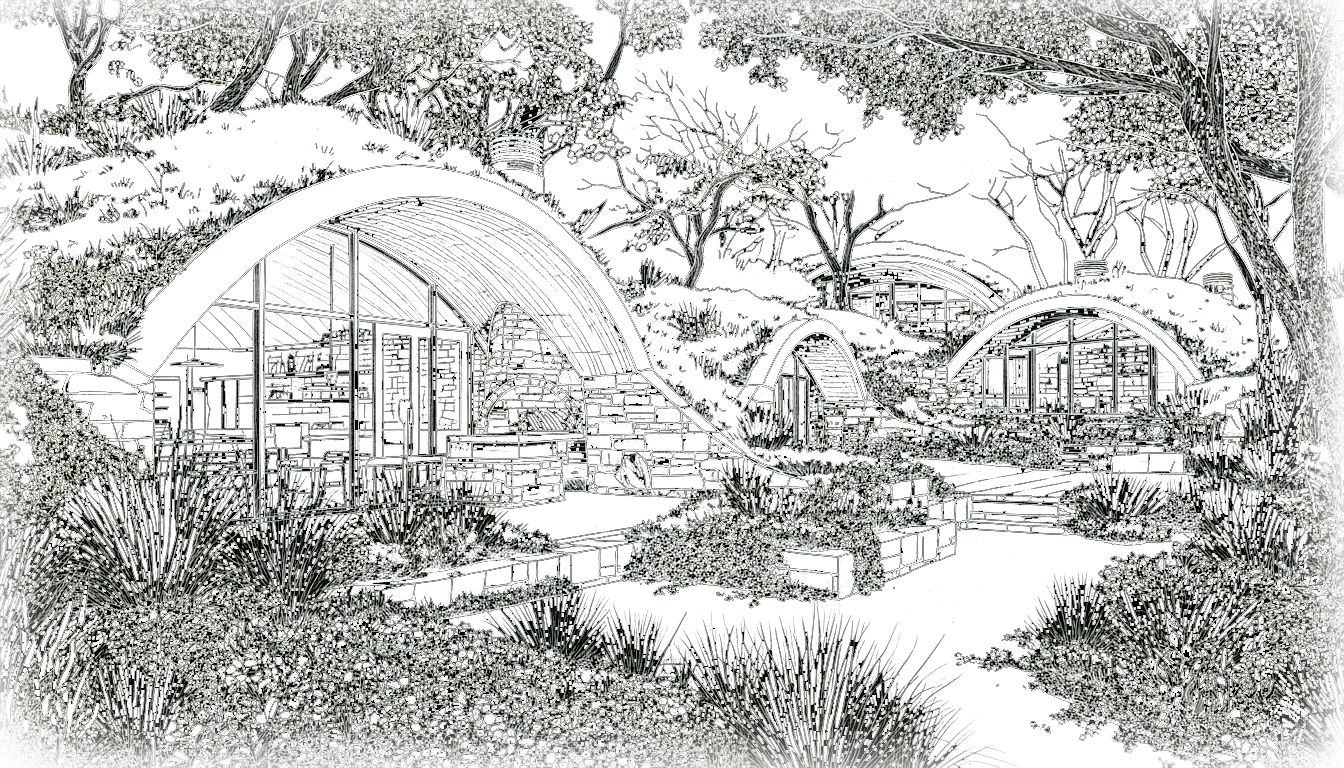
Exurban Forest Compound
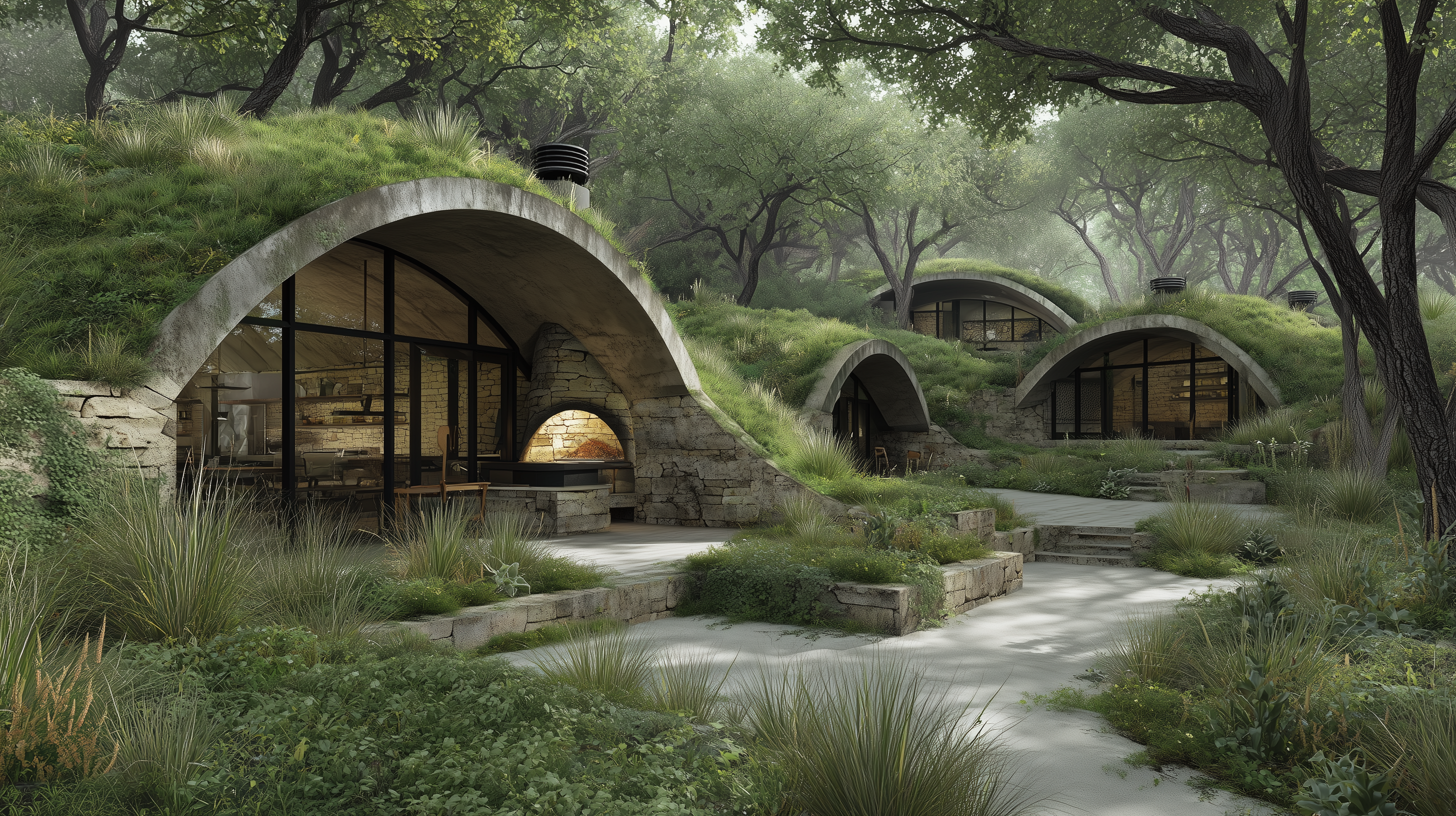
This is a modern, natural building showcase that is tailored to Austin’s climate using proven natural building techniques. This type would be appropriate for Cuernavaca, for founders who prefer something maximally quiet. Not our base case of 78704 but demonstrates that many types are possible.
Section IV Make the Market, Create Critical Mass
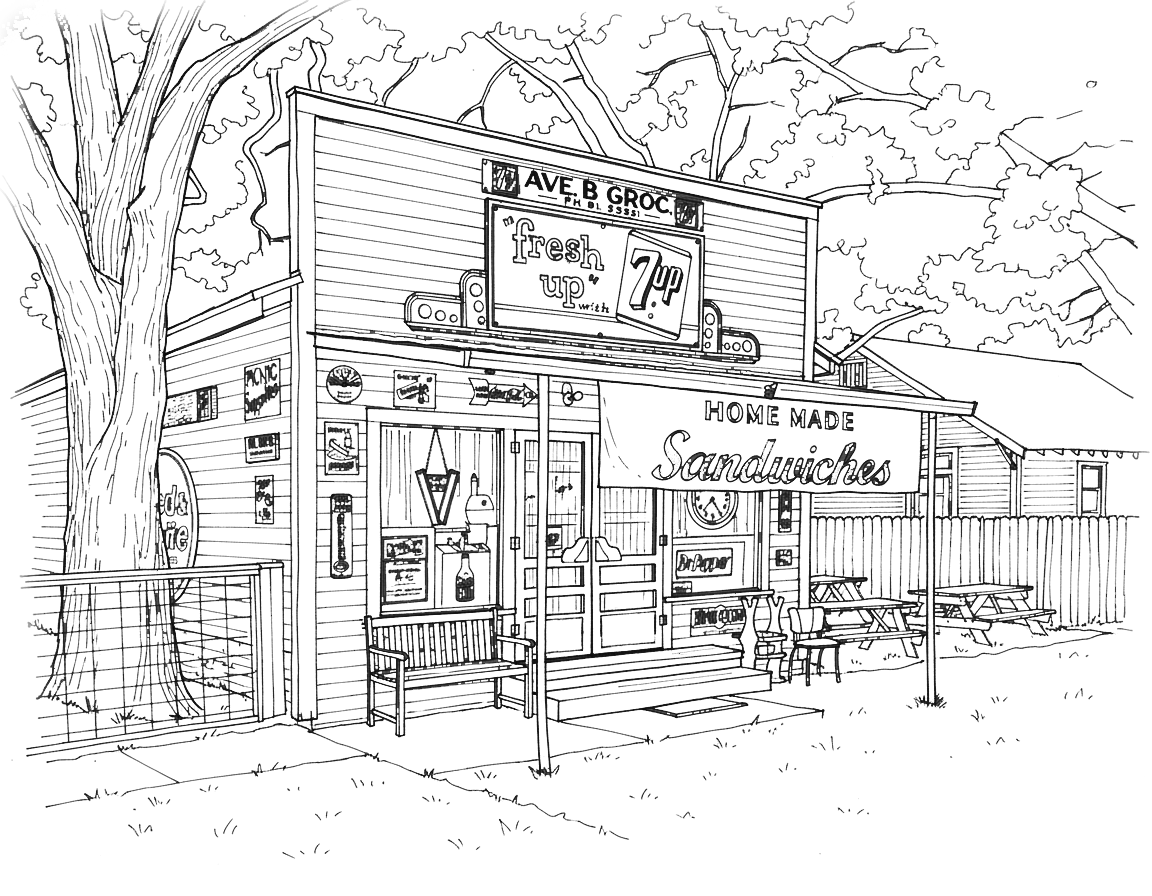
Willingness to Leave California
During the pandemic, 60% of surveyed tech workers said they would leave the Bay Area if they could. Note that the survey covered both salaried tech employees and founders.25
The Value of Critical Mass
Some aspiring founders will live in packed hacker house dormitories in Hayes Valley because of the intellectual ferment, intensity, and serendipitous collisions of being around other driven people. And they like hackathons, meetups, and walking to a coffee shop to work.26
Defining Critical Mass
Critical mass depends on both the density and navigability of the social graph.27 Austin has an open and friendly culture that is generally navigable. Density is the core challenge.
Proximity and happenstance encounters are very important. For this reason, geographically concentrate efforts.
Human relationships organize into concentric layers:28
- 5–15 closest friends
- 50 meaningful friends
- 150 active network
Core of Successful Entrepreneurs
Despite the overall loss in startup activity, Austin is home to several well-regarded, high-profile startups with big up-rounds, such as:
- Saronic – naval drones
- Aalo Technologies – nuclear energy
- Function Health – AI health
- Base Power – Home batteries
- Apptronik – Humanoid robots
- Ontic – Security software
- Allen Control Systems – counter-drone weapons
- NinjaOne – IT automation
…and more.
Each success increases the likelihood of further local success in the markets they address, as local talent gain specialized expertise. The founders and early employees of these firms are potentially important connectors.29,30
The Key Bundle: Housing + Neighborhood + Social Graph
The good news is Austin does not need to outcompete San Francisco, it just needs to attract its own critical mass, possibly in specialty areas like mil-tech, hard tech, CPG-related tech, or others.
Top Level Brokers of Entrepreneur Connections
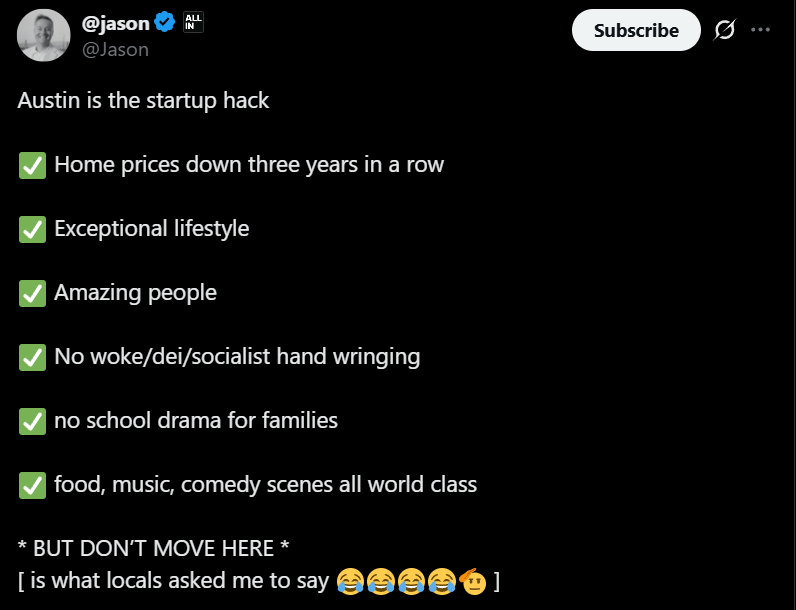
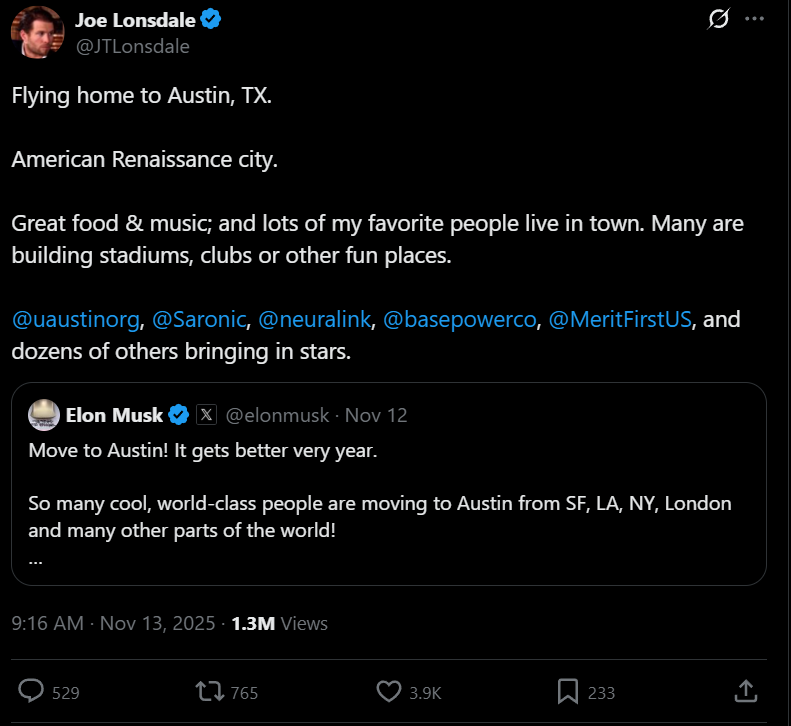
Many important tech leaders and funders live in the Austin area, such as Elon Musk, Joe Lonsdale, David Sacks, Michael Dell, Jason Calacanis, Bill Gurley, Jim Breyer, and more. These leaders are potential key boosters on social media, if not more.
Possible Next Steps
1a. Austin Tech Leadership
Very important for early outreach. Tech leadership are the most likely public boosters. And their networks will be critical for gathering the aspiring tech elites who would fill the units.
Consider a range of possible support actions that include:
- Social media boosting
- Referral of tenants from network
- Project investment
- Design competition backing
1b. Austin Policy Makers
The proposed housing types fit within existing code, such as HOME Phase 1, HOME Phase II, and the Single Stair Ordinance.
Policymakers need not take any special action, except to be aware of the initiative.
We particularly welcome any additional feedback or input from the City of Austin and Travis County.
2. Architects & Developers
Socialize the ideas with local AIA, Urban Land Institute, Preservation Austin, the Center for Maximum Potential Building Systems, and Institute of Classical Architecture. Incorporate any substantive feedback. Develop momentum for the idea of a design prize.
3. Social Media
Enlist support from regional social media figures and long-standing influencers already favorably disposed to this manner of development, like Brent Hull, Michael Imber, Pliny Fisk & Gail Vittori, Matt Risinger, Austin Tunnell, etc.
4. Entitlement Templates
Pick the most likely development types (or create new ones as needed). Scope these projects fully, including construction costs and more detailed entitlement-ready design templates. Preliminarily pre-vet these with Planning.
5. Technology Development
Using local natural and historic materials. One goal of this initiative is to maximize the use of local natural and historic materials while staying within code requirements. We will need to identify contractors, craftspeople, and engineers who have some expertise with these materials. Some may be ready to go, and others may require modest experimentation. Potential technologies include:
- Mass timber with product longevity and adhesives that do not off-gas
- Hempcrete and lime wall systems
- Concrete types or alternatives for pier & beam foundations
- Limestone block & lime mortar wall builders
- Post & beam home builders
6. Design Competition
Two possible directions:
- Create an annual prize recognizing projects that express the five-trait Austin architectural voice. This will require prior outreach to stakeholders. The risk with a prize is that there may be no winners — the current cohort of developers and architects generally do not build in a way that reflects the five traits.
- The design contest may be on-paper-only, with the winner potentially selected for development.
Appendix AAspiring Tech Elites
Demographics of Aspiring Tech Founders
| Characteristic | Detail | Housing Demand Implication |
|---|---|---|
| Age: 25–42 | Average age of a successful software founder is 42.13 Average YC founder is 27 but trending down.14 | Active lifestyle. Proximity to social spaces. |
| 75% male, 25% female | YC founders were 89% male.14 Female-founded startups now capture 33% of seed deals.15 | Neighborhood needs balanced, mixed-gender social fabric. |
| Education: Stanford, MIT, Berkeley, Harvard | 3% of universities represent 90% of unicorn founders.17 | Comparatively sophisticated consumer.16 Anxiety about aesthetic illiteracy. |
| 58% US-born, 42% Immigrant | 2/3 of AI companies have at least one immigrant founder.18 | They are chasing the American dream — interested in an idealized lifestyle. |
Psychographics of Aspiring Tech Founders
| Characteristic | Detail | Housing Opportunity |
|---|---|---|
| High Openness | Hunger for "authentic" environments.19 Aesthetic features are strong predictors of creative class concentration.20 | Must be characteristically Austin. Cannot look like production build. |
| Seeking Autonomy | Autonomy is a dominant stated motive.21 Austin can offer agency over environment that the Bay Area can't. | Well-defined spaces with gradual transition from public to private. Must mitigate Austin heat. |
| High Conscientiousness | Do not distinguish between work and leisure hours.22 | Clustering and proximity to "third spaces." |
| More Extraverted | Want status-conscious, non-conformist environments.22 | Buzzing, creative neighborhood. Celebrity presence potential. |
| High Confidence | Want to live in a place that might make others jealous.23 Risk-tolerant.24 | Picturesque, Instagram-friendly. Distinctly attractive. |
Appendix BAustin-Ideal Multifamily Types
Main Street Historic
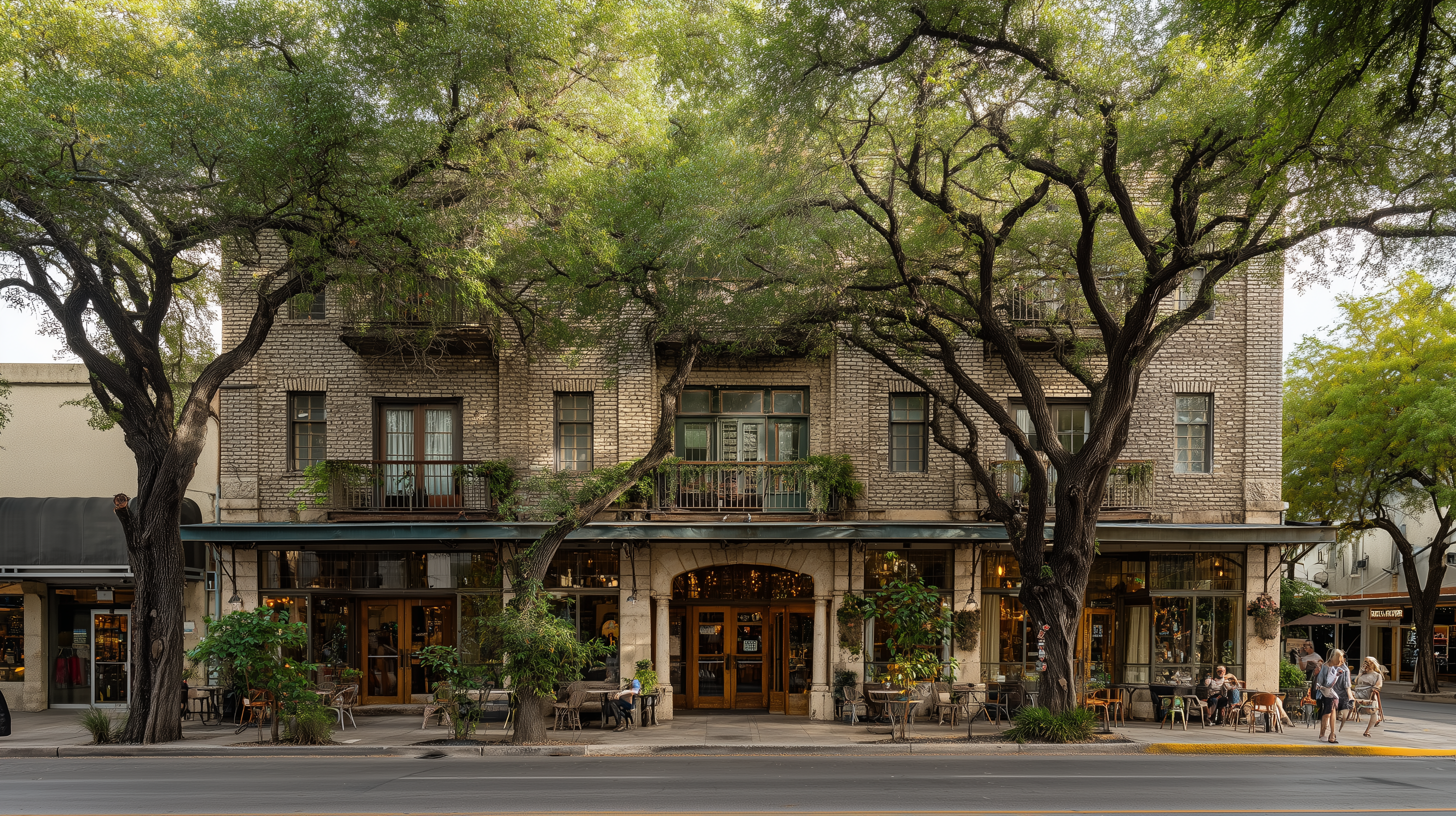
Land
7,500 ft²
Zone
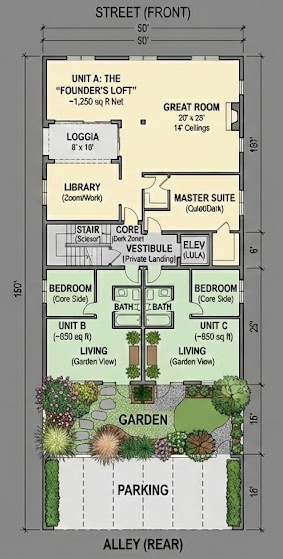
CS-MU (Alternate: GR-MU), utilizing single stair ordinance, “Clipped” lot
Units
6 residential, 1 flex/commercial
Parking
4 surface (alley)
Land/door
~$175k
Location
S Lamar, S 1st St., S Congress, Cesar Chavez
Unit notes
Floor 1: flex/retail and lobby; Floors 2&3: 1x 1250 ft², 2x 850 ft²
Lot note
Lots not ideal for 5-over-1 development (and so not accordingly priced)
Materials
Brick and stone masonry, wood floor interiors (earnest materials > high finish)
Architecture
Must be classical Vitruvian proportions with historic Austin precedent
Limestone Usonian/Midcentury
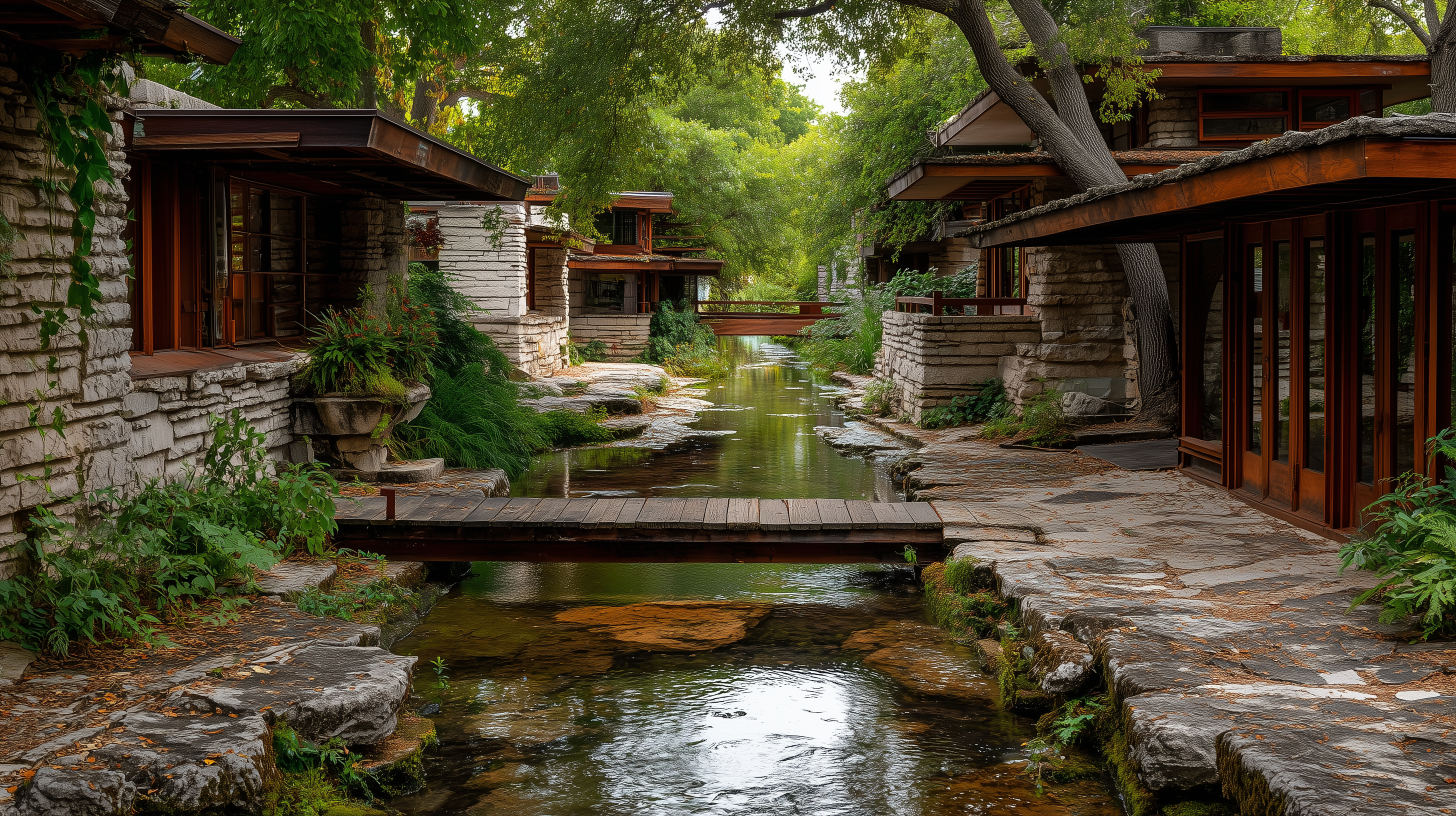
Land
0.75 acres (3 lots)
Zone
SF-3 NP + HOME Phase 2 bonuses (Alternative: condo)
Units
12
Land/door
~$85k
Special Cost
$150k water feature installation
Location
E Austin or S Congress
Unit notes
Fee simple, semi-detached, 3x 1400ft², 4x 900ft², 5x 600 ft²
Water feature management
Single purpose POA, est. $62/mo/unit
Materials
Homes are native limestone & wood
Finish quality
Minimal finishes but earnest, natural materials
Farmhouse Compound
Land
0.6 acres (1 lot)
Zone
SF-3 NP + HOME Phase 2 bonuses
Units
6
Land/door
~$175k
Location
E Austin or S Congress
Unit notes
Condominium, 3 duplex structures (avoids setback issues on smaller lot)
Commons management
Groundskeeping, est. $250/mo/unit
Materials
Mix of Hill Country historic styles
Finish quality
Minimal finishes but earnest, natural materials
Casa Chorizo
Land
5,750 ft²
Zone
SF-3, HOME phase 1
Units
3 (fee simple triplex)
Parking
3 surface (alley)
Land/door
$215k
Location
Bouldin, Holly, Govalle, Travis Heights
Unit notes
2-story, 900 ft², 1br +1 office/bonus/guest room, 2 ba
Lot note
Designed for common 5,750 ft² Austin lots, walkable residential areas
Materials
Masonry, tile, wood. Earnest materials over high-end catalog finishes
Architecture
Models the Casa Chorizo of Argentina & Uruguay, from interior region with near identical climate to Austin. Important for second story to be proportioned correctly (shorter appearance), and “Texified” materials
Exurban Forest Compound
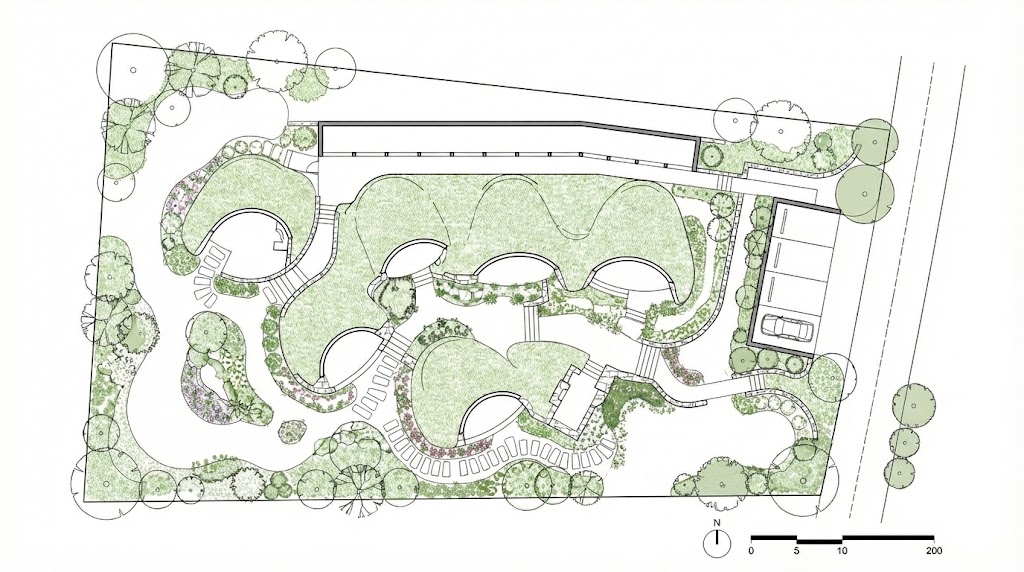
Land
1 Acre
Zone
Austin ETJ
Units
1 + ADU, 4 bed 4.5 bath
Land cost
$650k
Sq Feet
2600 conditioned, 2000 covered semi-outdoor
Location
Cuernavaca
Water
Class II aerobic drip septic for garden reclamation, rainwater reclamation & storage
Materials
Rammed earth, shotcrete domes, limestone paths, minimalist & naturalistic
Amenities
Cold plunge, sauna, offset smoker & wood fire pizza oven, flex room (for meetings), small pond (dragonfly habitat for anti-mosquito), food forest & native plants
Note
The exurban typology does not maximize social interaction but can work for founders who prioritize focus. Cuernavaca has a handful of coffee shops in walking distance, and the full energy of the city is a short drive.
Appendix CTech Boosters: “Move to Austin”
Austin tech leaders in 2025–26 who publicly support “Move to Austin”:




Notes
- National Bureau of Economic Research, 2014, “Clusters of Entrepreneurship and Innovation.” journals.uchicago.edu ↑
- Handbook of Regional and Urban Economics, Ch. 48, 2004, “Micro-Foundations of Urban Agglomeration Economies.” sciencedirect.com ↑
- The American Economic Review, Dec. 1989, “Real Effects of Academic Research.” jstor.org ↑
- Management Science, Apr. 2009, “Mobility, Skills, and the Michigan Non-Compete Experiment.” pubsonline.informs.org ↑
- Journal of Financial Economics, Apr. 2010, “Performance Persistence in Entrepreneurship.” sciencedirect.com ↑
- The Review of Economics and Statistics, 2011, “Venture Capital, Entrepreneurship, and Economic Growth.” direct.mit.edu ↑
- American Journal of Sociology, May 2001, “Syndication Networks and the Spatial Distribution of Venture Capital Investments.” journals.uchicago.edu ↑
- AnnaLee Saxenian, Regional Advantage: Culture and Competition in Silicon Valley and Route 128, Harvard University Press, Mar. 1996. hup.harvard.edu ↑
- SignalFire, State of Talent Report – 2025. signalfire.com ↑
- Pitchbook/NVCA, Venture Monitor Q3 2025. nvca.org ↑
- Business Insider, “‘Where ambition goes to die’: tech workers flocked to Austin during the pandemic. Now they’re desperate to get out.” businessinsider.com ↑
- Wall Street Journal, “Austin’s Reign as a Tech Hub Might Be Coming to an End.” wsj.com ↑
- Harvard Business Review, Jul 11, 2018, “Research: The Average Age of a Successful Startup Founder is 45.” ↑
- Jared Heyman, “On the last decade of Y Combinator,” Medium, Feb 18, 2025. ↑
- Pitchbook/NVCA, Venture Monitor Q3 2025. ↑
- Kapor Center, “Entrepreneurship & VC.” ↑
- Inc., Dec 13, 2016, “Just 3 Percent of Universities Produce 90 Percent of Unicorn Founders.” ↑
- Center for Security and Emerging Technology, Oct 2020. ↑
- Harvard Business School, 2017, “Personality Traits of Entrepreneurs: A Review of Recent Literature.” ↑
- Utrecht University, 2005, “Tolerance, aesthetics, amenities or jobs? Dutch creative class moving to the U.S.” ↑
- Enterprise Research Centre, Feb 2015, “Understanding Motivations for Entrepreneurship.” ↑
- Frontiers in Psychology, Mar 2023, “Big Five personality traits and entrepreneurial behavior in the workplace.” ↑
- Journal of Economics & Management Strategy, Sep 2024, “Optimism and Overconfidence in Entrepreneurs.” ↑
- Organizational Psychology, Apr 2021, “Narcissism and Entrepreneurship: A Systematic Review.” ↑
- Business Insider, Aug 2020, “Survey on Tech Workers Leaving Bay Area.” businessinsider.com ↑
- The San Francisco Standard, “What is Cerebral Valley?” sfstandard.com ↑
- American Journal of Sociology, Volume 111 #2, Oct 2005, “Collaboration and Creativity: The Small World Problem.” kellogg.northwestern.edu ↑
- Royal Society Open Science, Jan 2016, “Do online social media cut through the constraints that limit the size of offline social networks?” royalsocietypublishing.org ↑
- UNC (Dissertation), May 2010, “The Dealmaker Milieu.” cdr.lib.unc.edu ↑
- The Journal of Finance, 2005, “Entrepreneurial Spawning.” hbs.edu ↑